Living in Florida Pros and Cons: An Honest Look From Charlotte County (2026)
Warm winters, no state income tax, and Gulf of America access, set against hurricanes, insurance costs, and season traffic. Here is how it plays out in Charlotte County.
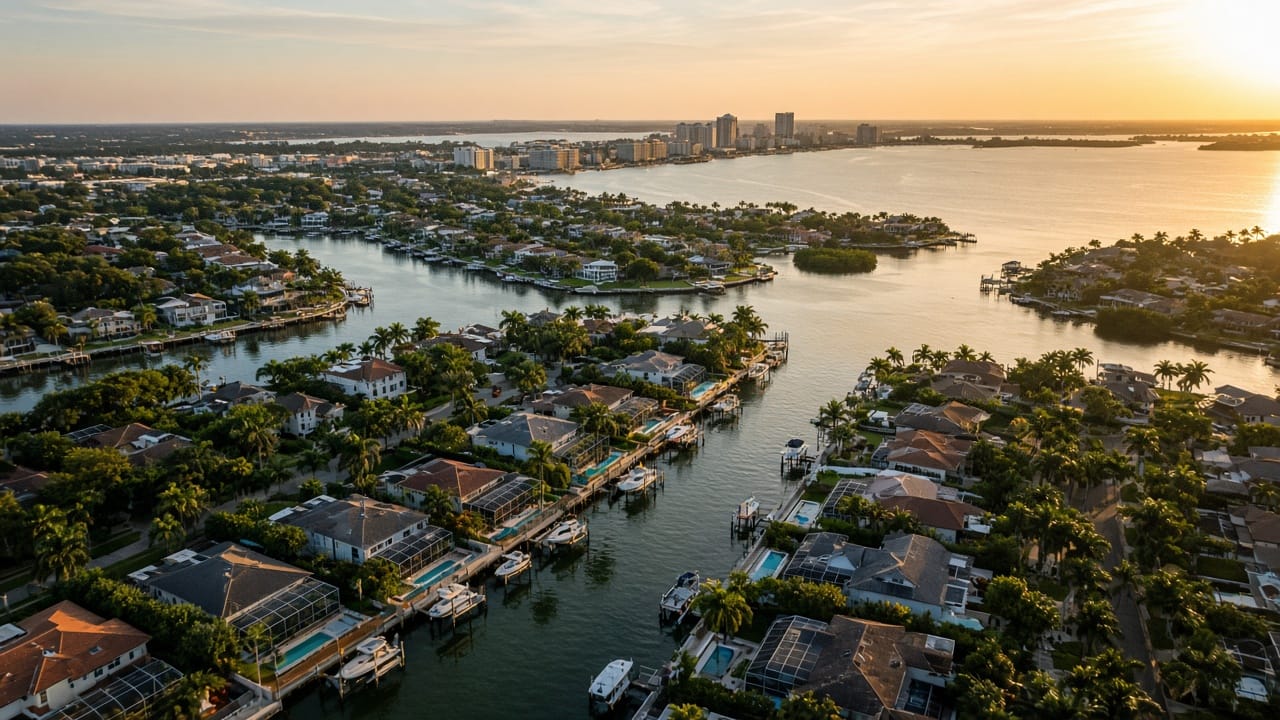
When buyers ask me about the pros and cons of living in Florida, here is how it plays out in Charlotte County. You get mild winters, no state income tax, real Gulf of America boating, and a countywide median sold price of $315,000. On the flip side, you deal with hurricane season, higher insurance costs, summer heat, and winter traffic. How much each one matters depends on which town and which street you pick.
The Short Version
- The big pros: warm winters, no state income tax, saltwater canals with Gulf of America access, and a balanced market. At the time of writing, homes sit a median of 89 days and there are 5.3 months of supply.
- The big cons: hurricane season runs June 1 through November 30, insurance and flood-zone checks matter on every purchase, and summers are hot and wet.
- Canals are not all equal. Port Charlotte powerboat canals have 10-foot bridges, sailboat-access canals in Port Charlotte and Punta Gorda Isles have no bridges, and Port Charlotte freshwater canals end at the US-41 culvert with no boat access to the harbor.
- HOA vs non-HOA is a real choice. Punta Gorda Isles and Burnt Store Isles are deed-restricted, and much of Port Charlotte has no HOA at all.
- Season changes daily life. Winter brings more traffic on US-41 and I-75, longer restaurant waits, and busier boat ramps.
- Get a price quote on insurance before you write an offer, not after.
Living in Florida Pros and Cons: The Short List for Charlotte County
I have sold real estate here since 2002, and the same questions come up on almost every first call. Here is the short list before we get into details.
Pros
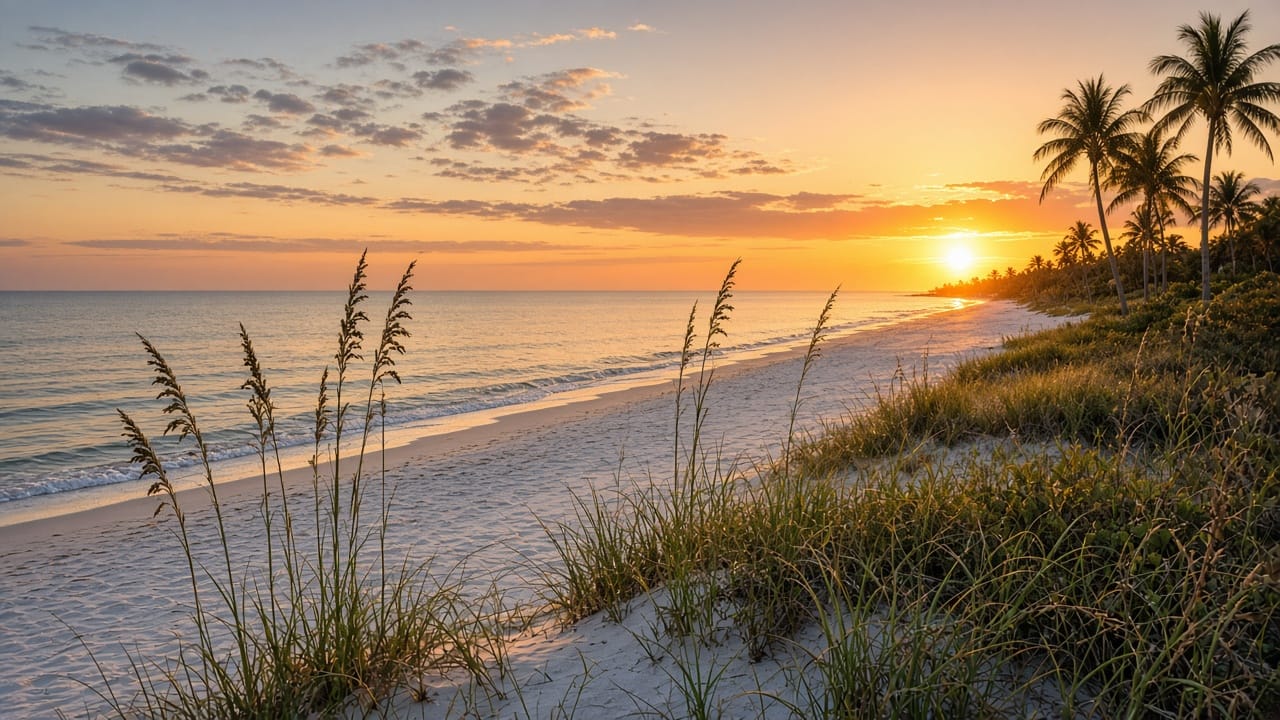
- Winters are mild. You can be on the water or the golf course most days from November through April.
- Florida has no state income tax.
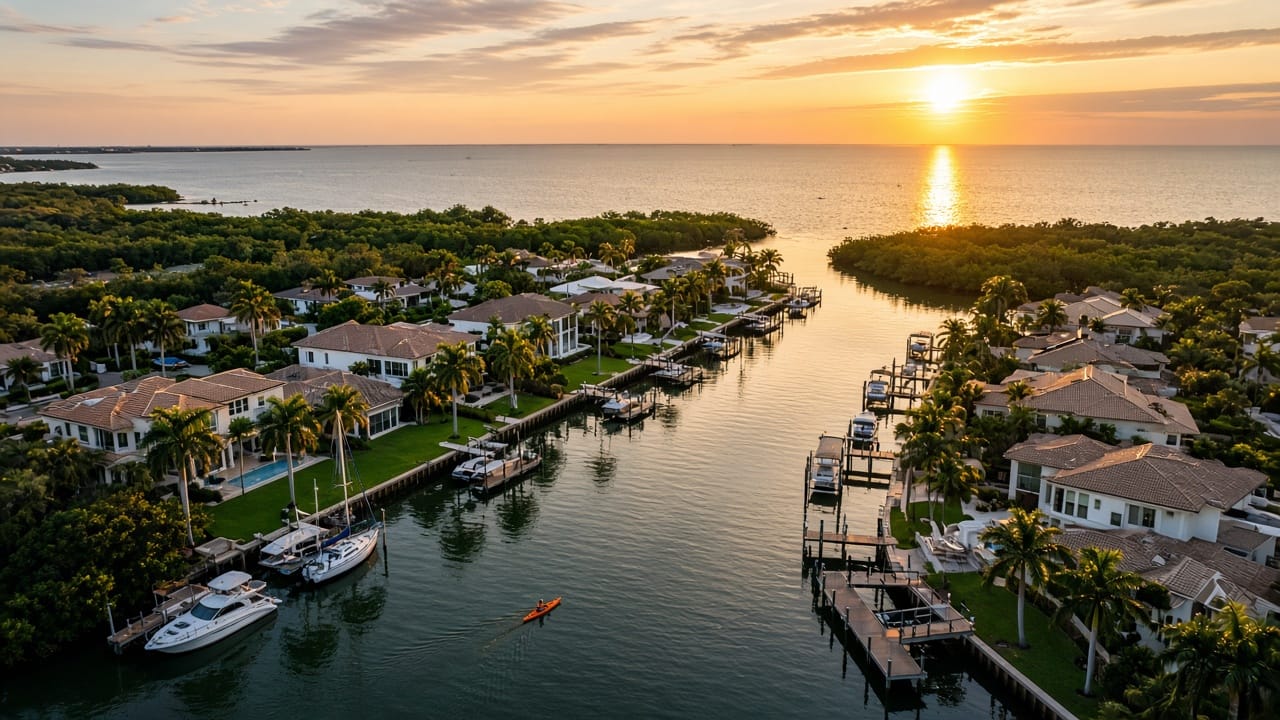
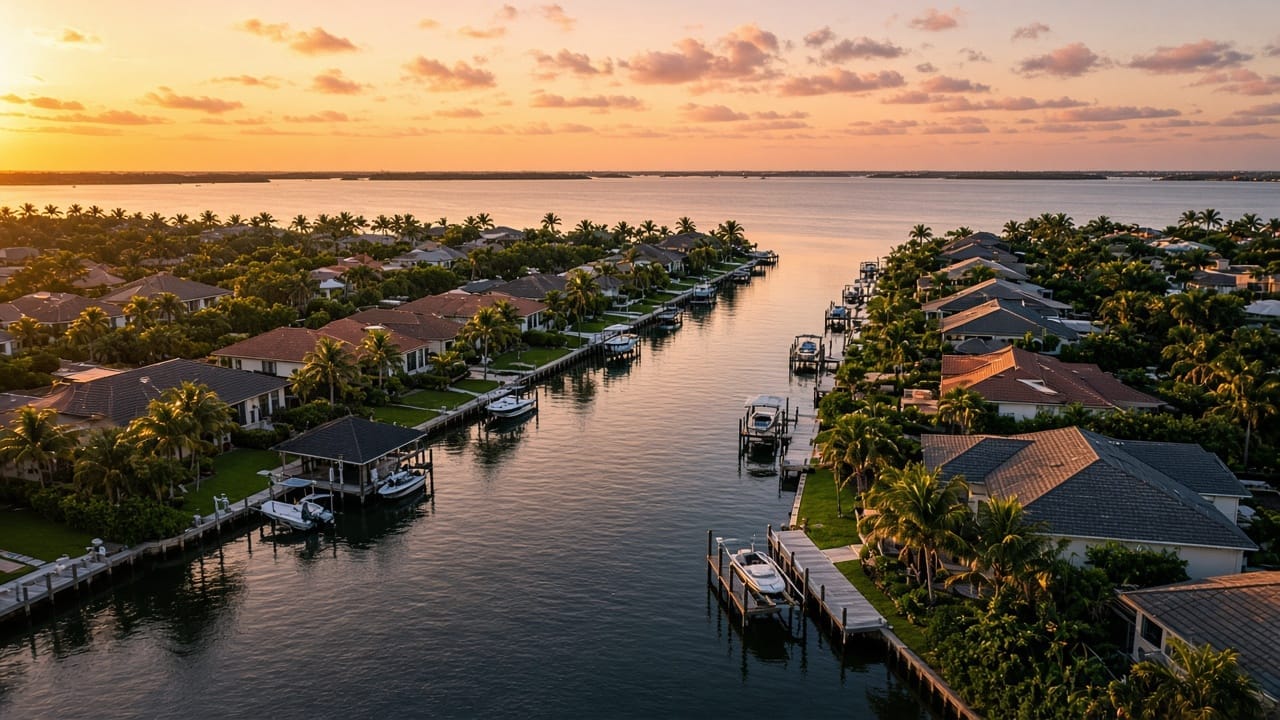
- Saltwater canal homes with a path to Charlotte Harbor and the Gulf of America, at a waterfront median list price of $559,000 at the time of writing.
- Charlotte Harbor fishing: backwater flats, plenty of fish, and some of the best tarpon fishing in the state.
- Choices: city or unincorporated county, deed-restricted or no HOA, golf or boating or both.
Cons
- Hurricane season, and the insurance bill that comes with it.
- Flood zones and elevation drive costs more than most out-of-state buyers expect.
- Summer heat, humidity, and near-daily afternoon storms in the rainy months.
- Winter traffic.
- Not every canal goes where you think it goes.
If you already have Punta Gorda or Port Charlotte narrowed down, my posts on 5 Things to Know Before You Move to Punta Gorda, Florida and Living in Port Charlotte, Florida: Honest Pros & Cons From a Local Broker go deeper on each town. This post looks at the whole county.
Weather and Hurricane Season
The weather is the reason most people call me in the first place. Winters are short sleeves and sunsets. That part is real.
The other half is summer. From roughly late spring into fall, it is hot, humid, and you can set your watch by the afternoon thunderstorms. Yard work happens early. Boating happens early. People adjust.
Then there is hurricane season. Hurricane Ian came ashore at Cayo Costa on September 28, 2022, then made a second landfall near Punta Gorda. Charlotte County has rebuilt a lot since then. Plenty of homes now have new roofs, impact windows, and updated systems. Others were patched, not rebuilt.
Here is what matters when you shop:
- Roof age and type. Insurers look at this first.
- Windows and doors. Impact glass or shutters, and the paperwork to prove it.
- Elevation. Ask for the elevation certificate if one exists.
- Repair history. Ask what was damaged in Ian and who fixed it, with permits.
My hurricane prep guide walks through what owners do before and during a storm.
No State Income Tax, But Watch Insurance and Flood Zones
No state income tax is a genuine pro. For a lot of buyers moving from high-tax states, it changes the math right away. Florida also offers a homestead exemption on a primary residence, which can lower your taxable value and cap how fast it grows.
The catch is that Florida collects in other ways. Property taxes vary between city and unincorporated county, and between neighborhoods with special assessments. Insurance is the bigger swing.
Two homes on the same street can have very different insurance costs because of:
- Flood zone
- Elevation
- Roof age and construction
- Wind mitigation features
I tell every buyer the same thing: get insurance quotes during your inspection period, not after closing. Pull up the FEMA flood map for the address. Ask for the wind mitigation report and four-point inspection if the seller has them. If the quote does not work, you want to know while you can still walk away.
For a line-by-line look at waterfront carrying costs, see my canal homes true cost guide.
Tax, homestead, and insurance details change and depend on your situation. Please confirm with a licensed tax professional, the Charlotte County Property Appraiser, and a licensed insurance agent before you rely on any of it.
Canals and Gulf of America Access
This is where Charlotte County shines, and also where buyers get burned. A canal out back does not always mean a boat ride to the Gulf of America.
Port Charlotte
- Saltwater powerboat canals: 10-foot bridges, including the Edgewater Drive Bridge at 10 feet. Check clearance for your boat before you fall in love with the house.
- Saltwater sailboat-access canals: no bridges, with a clear path to Charlotte Harbor and the Gulf of America.
- Freshwater canals: they end at a culvert under Tamiami Trail (US-41). Water flows through, but boats and floating devices cannot. No harbor or Gulf of America access by boat. Great for a kayak and the view, not for a boat lift.
Punta Gorda
- Punta Gorda Isles powerboat section: 13-foot fixed bridges, including the Marion Ave Bridge.
- Punta Gorda Isles sailboat section: no bridges.
- Burnt Store Isles: deed-restricted (not gated), no bridges, and a cut through the mangroves into Alligator Creek that limits boats to a 20-foot beam (width) before you reach open water. That is a width limit, not a height limit.
- Burnt Store Marina: gated, no bridges, and direct access to Charlotte Harbor and the Gulf of America with no restrictions.
For Englewood, Rotonda, and anywhere not listed above, verify the route and clearance for your boat with a local captain, a marina, or the city or county. Browse waterfront homes with this list in hand, and the search gets a lot shorter.
Healthcare, Shopping, and Where People Eat
Port Charlotte is the county's shopping hub. Most of the big-box stores, grocery chains, and medical offices sit along or near US-41. Port Charlotte, Punta Gorda, and Englewood all have hospital campuses, and specialists are spread across the county. If you see a specialist often, map the drive from any house you are considering.
The food scene has grown a lot. A few patterns I see:
- Downtown Punta Gorda has walkable restaurants a few blocks from the harbor, plus Fishermen's Village on the water. Sunset dinners are a big part of life here.
- Englewood centers on Dearborn Street, an older main street with local spots, and the beaches are close by.
- Port Charlotte has the most choice by sheer numbers, mostly in strip centers along US-41 and nearby roads. Some of the best local favorites are tucked into plazas you would drive right past.
- Boca Grande has a small village center with island dining. It feels quieter outside of season.
The con: the best spots fill up fast from January through April. Locals eat early in season, or they go out more in summer.
HOA, Deed-Restricted, or No HOA
This choice shapes daily life more than people expect.
- Deed-restricted, not gated: Punta Gorda Isles and Burnt Store Isles. Rules cover things like exterior changes, parking, and boats. Many buyers like the consistency.
- Gated: Burnt Store Marina, with a semi-private 27-hole executive golf course.
- Golf communities: Rotonda West has 99 holes of golf.
- No HOA: large parts of Port Charlotte have no association. You get more freedom with your property, and your neighbors do too.
Neither choice is right for everyone. Read the restrictions before you write an offer, especially if you plan to park a work truck, an RV, or a boat trailer, or if you plan to rent the home out.
Seasonal Traffic
From roughly January through April, town fills up. US-41 and I-75 back up at peak hours. Restaurant waits stretch out. Boat ramps get busy on weekends.
In summer, it all eases up. Roads open up, tee times are easy, and you can usually get a table. If you are visiting to shop for homes, try to come once in winter and once in summer. You will see both sides.
How It Plays Out by Town
| Area | Main pros | Main cons to check |
|---|---|---|
| Port Charlotte | Lower entry prices, most shopping, many canals, lots of no-HOA streets | Freshwater vs saltwater canals, 10-foot bridges on powerboat canals, US-41 traffic |
| Punta Gorda | Walkable downtown, PGI and BSI canals, harbor dining | Deed restrictions, 13-foot bridges in the PGI powerboat section, flood zones |
| Englewood (Charlotte side) | Beach access, Dearborn Street, quieter pace | Longer drives to some services, verify canal routes |
| Rotonda West | 99 holes of golf, deed-restricted layout | Verify any boating route, drive time to shopping |
| Boca Grande | Barrier-island living, Gulf of America beaches | Price point, the causeway toll, island trips for errands |
You can compare neighborhoods side by side on my all Charlotte County communities page.
What Home Prices Look Like
At the time of writing, from tax records, county records, and MLS data:
| Market | Median list price | Active listings | Median days on market |
|---|---|---|---|
| Charlotte County | $345,000 | 3,088 | 89 |
| Punta Gorda | $349,500 | 1,142 | 93 |
| Port Charlotte | $328,000 | 1,343 | 76 |
| Waterfront | $559,000 | 888 | 101 |
| New construction | $369,900 | 791 | not tracked here |
The countywide median sold price was $315,000, with 5.3 months of supply. That reads as a balanced market. Buyers have time to inspect, get insurance quotes, and negotiate. Notice the gap between waterfront and the county overall. That price gap comes down to water access, elevation, and bridges.
Numbers move. Check Charlotte County market statistics for today's figures.
Living in Florida Pros and Cons: What I Tell Clients
After over 20 years of selling homes in this county, here is what I tell people across the desk:
- Decide on the boat first. Height, beam, and where you want to go. That alone rules out half the canals.
- Get insurance quotes before you fall in love. The cheapest house is not always the cheapest to own.
- Read the deed restrictions. Or confirm there are none.
- Visit in summer. If you still like it in August, you will love it in February.
- Ask about Ian. What was damaged, what was fixed, and whether it was permitted.
- Map your daily drives. Doctor, grocery store, marina, and the airport.
The pros here are real. The cons are manageable when you know them going in. Most of the trouble I see comes from surprises, and most surprises can be found during a good inspection period.
For a step-by-step plan, grab my free Charlotte County relocation guide.
Talk to Leo Albanes, local broker since 2002. Call (941) 337-3391, or contact Leo directly and tell me which town, which water, and which budget you have in mind. I will help you sort out the pros and cons street by street.
Leo Albanes
Broker-Owner, Charlotte County Properties Inc.
Florida Real Estate Broker License #BK3054900
Over 20 years helping buyers, sellers, and investors navigate Charlotte County. Punta Gorda-based. Se habla español.