
Living in Port Charlotte Florida: Honest Pros & Cons From a Local Broker (2026)
Thinking about living in Port Charlotte, Florida? A local broker covers 2026 prices, canal access, bridges, insurance, and HOA vs non-HOA, the good and the tradeoffs.
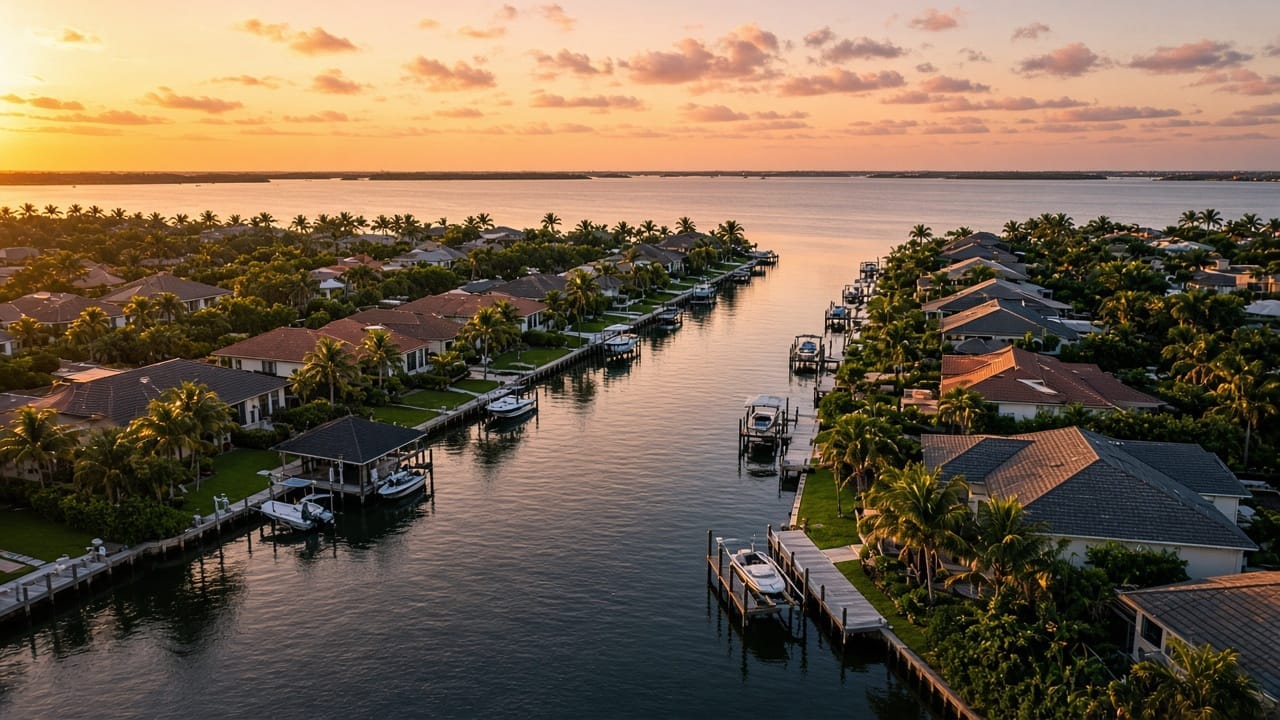
Living in Port Charlotte, Florida in 2026 can get you some of the more affordable canal and harbor-area housing in Southwest Florida, and there is a lot of inventory to choose from. The tradeoffs are hurricane and flood exposure, insurance costs, and canals that are not all equal when it comes to getting a boat to the Gulf of America.
Quick facts
- Port Charlotte's median list price is $329,900 with 1,224 active listings and a median of 83 days on market. That sits below the Charlotte County median list price of $346,000, and the market is rated balanced.
- Not every canal goes to the Gulf. Freshwater canals end at a road culvert under Tamiami Trail (US-41). Water flows through it, but boats can't, so those homes have no harbor or Gulf access by boat.
- Saltwater powerboat canals have 10-foot bridges. Always check the clearance for your boat. Sailboat-access canals have no bridges and a clear path to Charlotte Harbor and the Gulf of America.
- Budget for insurance, flood zone requirements, and a property tax reset when you buy. Those numbers matter as much as the purchase price.
- Large parts of Port Charlotte are non-HOA, with deed-restricted and HOA options scattered throughout. Know which one you're buying into.
From a local broker
I'm Leo Albanes, Broker-Owner of Charlotte County Properties Inc. I've been licensed since 2002 and have sold waterfront property in Charlotte County that whole time. People ask me about Port Charlotte more than almost anywhere else, usually because they've seen the prices and want to know the catch. There isn't one catch. There are several tradeoffs, and whether they matter depends on how you plan to live.
Here's the straight version: what I like, what I warn people about, and how a weekend here actually feels.
The pros of living in Port Charlotte
1. Price and inventory
This is what draws most people first. As of October 5, 2026, Port Charlotte's median list price sits at $329,900. For comparison:
| Area | Median List Price | Active Listings | Median Days on Market |
|---|---|---|---|
| Port Charlotte | $329,900 | 1,224 | 83 |
| Punta Gorda | $349,900 | 1,081 | 100 |
| Charlotte County (all) | $346,000 | 2,853 | 95 |
Port Charlotte has the most active listings of the two main towns. It is also moving a bit faster, with 83 median days on market versus 95 countywide. Countywide, the median sold price is $320,200, there are 4.7 months of supply, and year-over-year sales are flat at 0%. That is a balanced market: buyers have room to negotiate, and sellers who price well still sell. You can track the numbers on my Port Charlotte market data page.
2. Water at several price points
Port Charlotte sits on Charlotte Harbor and the Peace River, and much of it is laced with canals. The countywide waterfront slice has a median list price of $550,000 across 812 active listings. Port Charlotte gives you more ways into canal living than most places on this coast, from freshwater canal homes for water views and a kayak to saltwater homes for serious boaters.
Charlotte Harbor is a big part of the draw. It's known for backwater fishing, plenty of fish, and a world-class tarpon fishery.
3. Practical location
Port Charlotte sits along Tamiami Trail (US-41) with I-75 access. Everyday shopping, medical offices, and services are close by, and Punta Gorda's waterfront and Punta Gorda Airport are a short drive south. You get the convenience of a larger town without big-city density.
4. Room for new construction
Port Charlotte was laid out decades ago with a lot of residential lots, so infill building continues across the area. Countywide, new construction has a median list price of $379,945 with 730 active listings. If you want a newer home built to current Florida building codes, the options are real.
5. Lots of non-HOA choices
If you want to park a boat trailer in the driveway, paint your shutters any color you like, or skip monthly dues, large portions of Port Charlotte are not governed by an HOA. County codes still apply. If you prefer deed restrictions or HOA amenities, those exist here too, including some legally designated 55+ communities.
The cons (and what I tell my clients)
1. Freshwater vs. saltwater canals
This is the most common and most expensive misunderstanding I see.
Freshwater canals do NOT lead to the Gulf. They connect only to other canals and small freshwater lakes. They end at a road culvert where water flows under Tamiami Trail (US-41) through an underground pipe. Boats and floating devices cannot pass through it. A freshwater canal home has no harbor or Gulf access by boat.
Freshwater canal homes can be lovely, with water views, wildlife, and a quiet paddle out back. Just don't buy one expecting to run out to the harbor for tarpon.
Saltwater canals come in two kinds:
- Powerboat canals: These routes pass under 10-foot bridges, including the Edgewater Drive Bridge at 10 feet. Before you fall in love with a house, measure your boat's height, including the T-top, radar arch, and antennas. Then confirm it fits under the clearance on that specific route at the tides you'll be running. Verify it with a local captain or marina too.
- Sailboat-access canals: These canals have no bridges, so you get a clear, unobstructed path to Charlotte Harbor and then the Gulf of America. Expect them to be priced accordingly.
My waterfront homes search lets you browse by water type. I always confirm canal classification on every showing.
2. Hurricane and flood exposure
Hurricane Ian made landfall near Cayo Costa and Fort Myers in September 2022 and hit this region hard. Charlotte County has rebuilt extensively since then, and many homes now have new roofs, impact windows, or full renovations. The risk hasn't gone away, though, and it shows up in two places:
- Flood zones. Check the FEMA flood zone for any property and ask for an elevation certificate if one exists. If the home sits in a special flood hazard area and you're financing, your lender will likely require flood insurance.
- Construction and condition. Older block homes, newer elevated builds, and renovated post-Ian homes can carry very different risk and insurance profiles even on the same street.
3. Insurance costs
Insurance is often the line item that surprises people moving from out of state. Get quotes before you're under contract, or at minimum during your inspection period. A wind mitigation inspection and a four-point inspection, which are common in Florida, can affect what you pay. Roof age matters a lot. Two homes with the same price can carry very different insurance bills.
4. Property taxes reset when you buy
The seller's tax bill is not your tax bill. When a home sells, its assessed value is generally reset based on the new purchase. Florida offers a homestead exemption for primary residences, and it includes limits on how much the assessed value can rise in later years. Seasonal or investment owners won't get those same benefits. Use the Charlotte County Property Appraiser's tools to estimate taxes at your expected purchase price.
This is general information, not tax or legal advice. Consult a qualified tax professional or attorney, and verify details with the Charlotte County Property Appraiser and Tax Collector.
5. Utilities and infrastructure vary by street
Some Port Charlotte properties are on central water and sewer, and others use septic or well systems. Ask early, because it affects inspections, maintenance, and future costs. Seawall condition on canal homes deserves its own close look as well.
6. Summer weather and a calmer pace
Summers are hot, humid, and stormy in the afternoons, and hurricane season runs June through November. Port Charlotte is also a place for marinas, parks, and casual waterfront dining rather than a big nightlife district. Some people see that as a pro.
7. Sellers need patience
With 83 median days on market in Port Charlotte and 4.7 months of supply countywide, homes don't fly off the shelf. Overpriced listings sit. If you're selling, sharp pricing and good presentation matter more than they did a few years ago.
What a weekend here actually feels like
Here's how a normal Saturday and Sunday tends to go.
Saturday morning: Breakfast at one of the local diners or cafés along US-41 or near the harbor. These are counter-stool, coffee-refill places, not white-tablecloth spots. Then you head out on the water. If you're on a saltwater canal, that means idling out toward Charlotte Harbor for snook, redfish, or a shot at tarpon in season. If you're on a freshwater canal, it might be a kayak paddle past herons and the occasional manatee.
Saturday afternoon: Port Charlotte's parks and waterfront walking spots along the harbor are an easy way to spend a few hours. Many locals also drive a few minutes to Punta Gorda for its harborfront and Fishermen's Village. When the heat peaks, it's lunch in the shade.
Saturday evening: Sunset over the harbor is the main event. Plenty of waterfront restaurants in the area offer patio seating facing west. Locals tend to plan dinner around the sun, not the clock.
Sunday: A slower morning, maybe a farmers market or a bike ride, then a day trip. Englewood beaches, Boca Grande on Gasparilla Island, and the golf around Rotonda West, which has 99 holes, are all within reach. Port Charlotte's location is a big part of its appeal. You can live affordably here and still reach the rest of Charlotte County easily.
If you're weighing Port Charlotte against Punta Gorda, Englewood, or the islands, my all Charlotte County communities page breaks them down side by side. Start with the Port Charlotte community page for neighborhood-level detail.
What I'd tell you before you shop
Here's how I frame it for people considering Port Charlotte:
- Decide what "waterfront" means to you first. A water view, a kayak launch, or a Gulf-ready boat are three different price points and three different canal types.
- If you own a boat, measure it before you shop. Know your height for the 10-foot bridge routes and check clearance for your boat. If you need clear passage, focus on sailboat-access canals. They have no bridges.
- Run the full monthly number. Include mortgage, insurance (wind and flood), estimated new taxes, and HOA dues if any. That number decides affordability, not the list price.
- Use the balanced market. With flat year-over-year sales and steady inventory, buyers can ask for inspections, repairs, or credits without being laughed out of the room.
- Read the restrictions. Non-HOA freedom and deed-restricted consistency both have value. Make sure the property matches how you live.
If you're relocating from out of state, my relocation guide covers the practical steps, including utilities, insurance, homestead filing, and more.
Ready to talk Port Charlotte?
Whether you're buying your first canal home or thinking about selling in this balanced market, I'm happy to give you a straight answer. If you already own here, get a free home valuation to see where your property stands today. If you're weighing a move, contact Leo directly and we'll talk through canals, costs, and communities that fit the way you want to live.
— Leo Albanes, Broker-Owner, Charlotte County Properties Inc.
Leo Albanes
Broker-Owner, Charlotte County Properties Inc.
Florida Real Estate Broker License #BK3054900
Over 20 years helping buyers, sellers, and investors navigate Charlotte County. Punta Gorda-based. Se habla español.


