Cost of Living in Punta Gorda vs Port Charlotte, Florida: Side-by-Side
Punta Gorda vs Port Charlotte, bill by bill: home prices, city vs county taxes, insurance, utilities, deed restrictions, and boating costs, from a local broker.
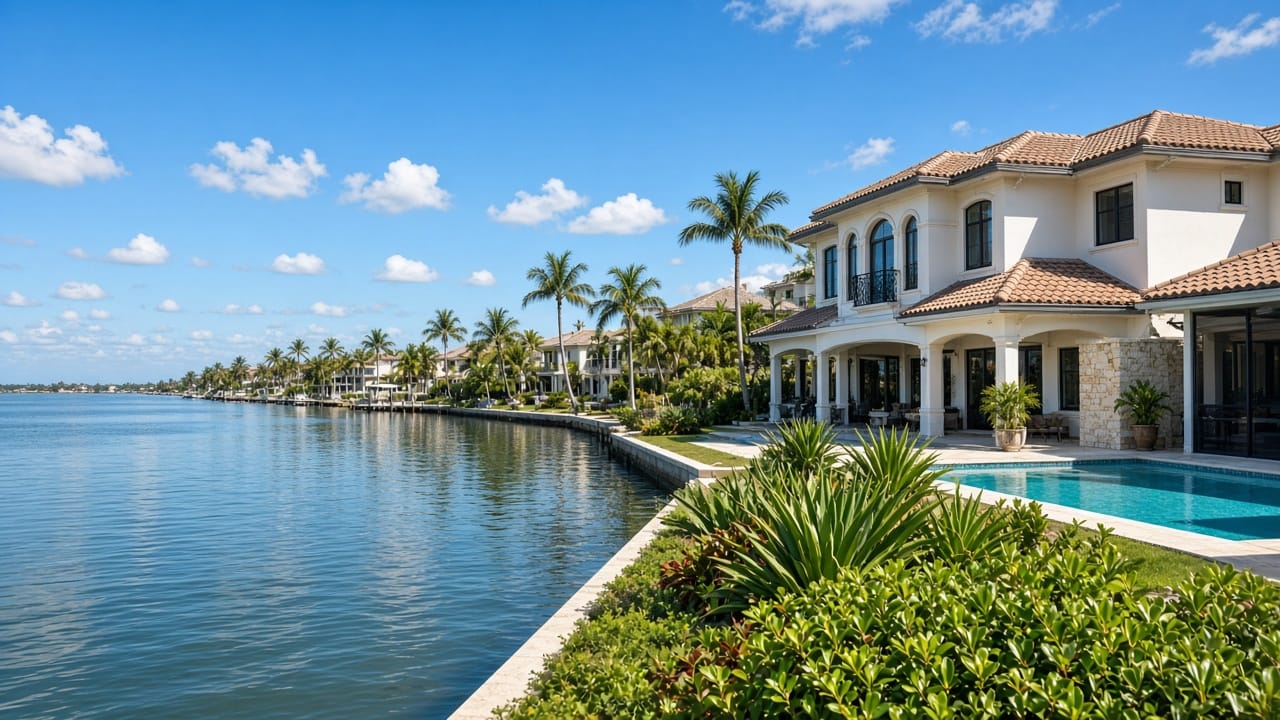
The cost of living in Punta Gorda, Florida usually runs a little higher than in Port Charlotte. The median list price is higher, and Punta Gorda adds a city tax millage on top of the county rate. Port Charlotte is unincorporated Charlotte County, so the entry price and the tax layer are lower. Still, well, septic, sewer, and canal assessments can change the math from one house to the next.
Key Takeaways
- At the time of writing, from tax records, county records, and MLS data, the Punta Gorda median list price is $359,000 and Port Charlotte's is $325,250. That is a gap of $33,750 at the middle of each market. The Punta Gorda median sold price is $337,495 (180 closed sales, October 2026) and Port Charlotte's is $285,000 (206 closed sales, October 2026).
- Punta Gorda is an incorporated city, so homes inside city limits pay a city millage plus county taxes. Port Charlotte is unincorporated and pays county rates and county taxing units only.
- Insurance is priced by the address: flood zone, elevation, roof age, and wind features. Get an address-level quote before you write an offer in either city.
- Punta Gorda Isles and Burnt Store Isles are deed-restricted, and the city maintains the seawalls. Most of Port Charlotte and regular Punta Gorda neighborhoods are not under that rule set.
- Boating costs depend on your boat. PGI powerboat canals have 13-foot fixed bridges. Port Charlotte powerboat canals have 10-foot bridges. Sailboat-access canals in both have no bridges.
If you have already seen my cost-of-living breakdown or my Port Charlotte vs Punta Gorda video, this post goes deeper on one thing: the actual bills, line by line, for both cities side by side.
Punta Gorda vs Port Charlotte: Home Prices Side by Side
The purchase price drives almost everything else. It sets your mortgage, your taxable value, and a big part of your insurance. Third-party cost-of-living sites disagree wildly on medians and monthly budgets, so I don't use their figures. Here is what tax records, county records, and MLS data show at the time of writing:
| Measure | Punta Gorda | Port Charlotte | Charlotte County (all) | Waterfront (county-wide) | New construction (county-wide) |
|---|---|---|---|---|---|
| Median list price | $359,000 | $325,250 | $349,500 | $560,000 | $365,000 |
| Active listings | 1,204 | 1,418 | 3,269 | 971 | 808 |
| Median days on market | 55 | 54 | 53 | 41 | 66 |
| Market status | Balanced | Balanced | Balanced | Balanced | Buyer's market |
| Median sold price | $337,495 | $285,000 | $312,190 | $452,500 | $339,990 |
A few things jump out. Both cities sit in a balanced market, with days on market within two days of each other. Port Charlotte has more homes for sale and a lower middle price. Countywide, the median sold price sits well under the median list price, which tells me sellers are negotiating and buyers have room to ask.
The waterfront slice is its own world. At the time of writing, the waterfront median list price is $560,000 with 971 active listings and 41 median days on market. New construction comes in at a $365,000 median list price with 808 active listings.
Numbers move, so check today's figures on the Punta Gorda market data page, the Port Charlotte market data page, or the Charlotte County market statistics page.
Cost of Living Punta Gorda Florida: City Millage vs Unincorporated County Taxes
This is the biggest structural difference between the two places, and most out-of-state buyers miss it.
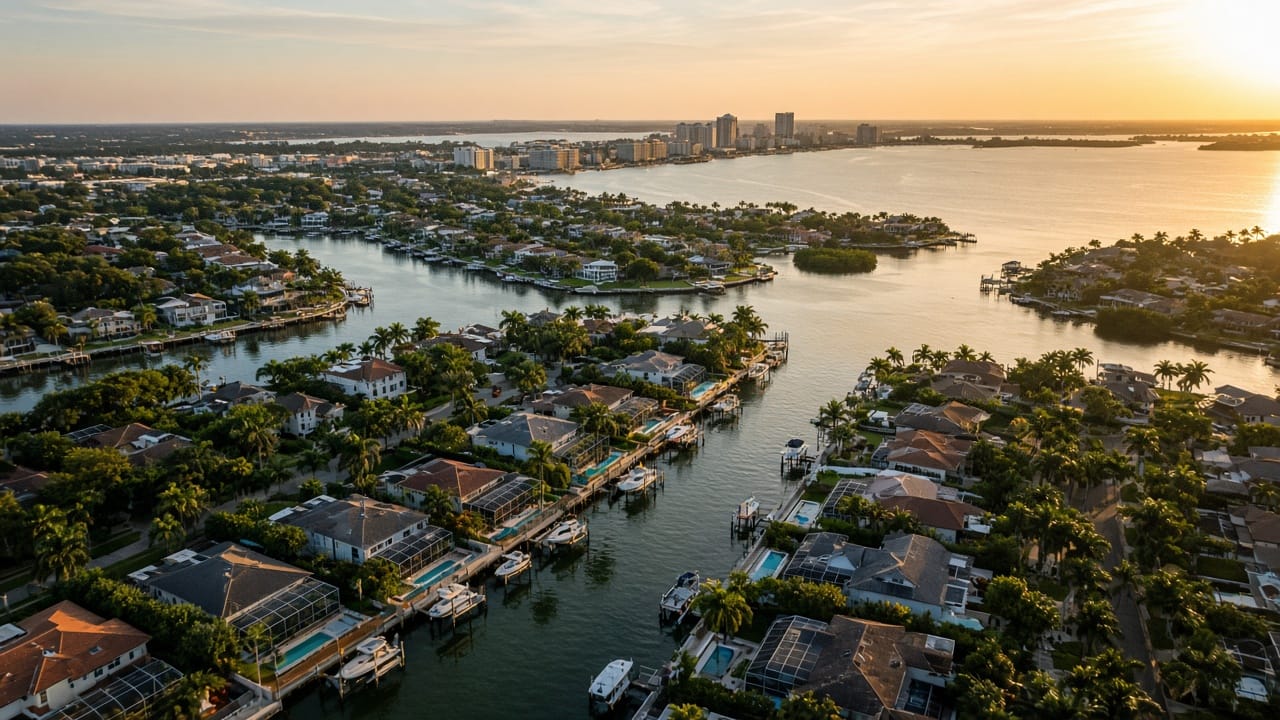
Punta Gorda (incorporated city): - Inside city limits, your tax bill carries the City of Punta Gorda millage on top of the Charlotte County millage, the school board, and other taxing districts. - In exchange, the city provides its own police, fire, and public works. - In Punta Gorda Isles and Burnt Store Isles, look for the canal and seawall maintenance line on the bill. That is how the city-maintained seawall system gets paid for.
Port Charlotte (unincorporated Charlotte County): - No city millage. You pay county rates, the school board, and county taxing units such as street lighting, drainage, or waterway units, depending on the neighborhood. - Some areas carry utility expansion assessments when the county extends water or sewer lines. More on that below.
Here is what I tell people: don't compare millage alone. Compare the full tax bill on the exact parcel. The Charlotte County Property Appraiser publishes the current adopted millage rates for every taxing authority, and the Charlotte County Tax Collector shows the actual bill with every non-ad valorem assessment listed. Pull both for any house you are serious about.
Also remember the current owner's bill may reflect a homestead exemption and the Save Our Homes cap. Your bill after purchase is based on the new assessed value, so it can be noticeably higher. This is general information, not tax advice. Talk to a tax professional and the Property Appraiser's office about your situation.
Insurance: Homeowners, Wind, and Flood in Both Cities
I won't quote premium dollars here, and you should be wary of anyone who gives you one number for a whole city. Insurance in Charlotte County is priced house by house.
What moves the premium in both cities:
- Flood zone and elevation. Get the elevation certificate if one exists. Coastal and canal-front homes often sit in higher-risk zones. Inland streets can be lower risk, but check the address.
- Roof age and type. An older roof can raise the price or limit which carriers will write the policy.
- Wind mitigation features. Impact windows, shutters, roof straps, and roof shape can earn credits. Ask for a wind mitigation inspection.
- Year built and updates. Many carriers want a 4-point inspection on older homes covering roof, electrical, plumbing, and HVAC.
In Punta Gorda, much of the waterfront housing stock sits along canals and the harbor. Port Charlotte has a mix of canal homes and inland streets. That doesn't make one city cheaper to insure across the board. It means the house you pick matters more than the city name. Get an address-level quote for homeowners, wind, and flood before your inspection period ends.
Cost of Living Port Charlotte: Utilities, Water, Septic, and Sewer
Utilities are where Port Charlotte and Punta Gorda really split.
Punta Gorda: The City of Punta Gorda runs its own water and sewer utility for homes inside its service area. Your water and sewer bill comes from the city.
Port Charlotte: Charlotte County Utilities serves much of Port Charlotte with water and sewer. But not every lot is on central sewer. Some older Port Charlotte homes still run on septic, and some outlying areas use wells. When the county extends sewer into a neighborhood, owners can face a utility expansion assessment plus connection costs.
Electric: Most homes in both cities are on Florida Power & Light. Confirm the electric provider for the exact address, since service territories don't always follow city lines.
Before you buy in Port Charlotte, ask three questions:
- Is the home on central sewer or septic?
- Is there a current or planned utility expansion assessment for this street?
- If septic, when was it last pumped and inspected?
Those answers can swing your first-year costs more than the price difference between two similar houses.
HOA and Deed Restrictions: What You Pay and What You Get
Neither city is one big HOA. It depends on the neighborhood.
Punta Gorda Isles and Burnt Store Isles are deed-restricted communities inside Punta Gorda, with city-maintained seawalls. Burnt Store Isles is deed-restricted and not gated. The restrictions cover things like exterior appearance and what can sit in the driveway. Buyers who want the canals kept up and the streets looking consistent often find that worth it. Buyers who want to park a work trailer at home sometimes don't.
Regular Punta Gorda neighborhoods and most of Port Charlotte are not under that rule set. Many Port Charlotte streets have no HOA at all, which means no monthly dues. It also means no one else maintains your seawall, and your neighbor's yard is your neighbor's business.
Condos and gated villa communities in both cities carry their own association fees and reserves. Read the budget, the reserve study, and the last few years of meeting minutes before you commit. You can compare neighborhoods across both cities on my all Charlotte County communities page.
Boating Costs: Match the Canal to Your Boat
If a boat is part of your plan, the canal you buy on is a cost decision, not just a lifestyle one.
Punta Gorda: - PGI powerboat section: 13-foot fixed bridges, including the Marion Ave Bridge. Measure your boat with the top up. - PGI sailboat-access section: no bridges, with access through the north side of Marion Ave, the Ponce de Leon inlet, and Buckley's Pass for the south section. - Burnt Store Isles: no bridges, but the mangrove cut into Alligator Creek limits boats to a 20-foot beam before open water.
Port Charlotte: - Saltwater powerboat canals: 10-foot bridges. Check the clearance for your specific boat before you fall in love with a house. - Saltwater sailboat-access canals: no bridges, with a clear path to Charlotte Harbor and the Gulf of America. - Freshwater canals: they end at a culvert under Tamiami Trail (US-41). Water flows through, but boats cannot pass. No harbor or Gulf access by boat.
Sailboat-access lots usually cost more in either city. A freshwater Port Charlotte canal home can be a fine buy for a kayak and a view, but don't pay saltwater prices for it. My canal homes true cost guide covers dock, lift, and seawall costs in detail.
Daily Life: Driving, Downtown, and Getting Out
The good news on daily costs: there are no toll bridges between the two cities. US-41 and I-75 both cross the Peace River without a toll, so you can live in one and work, shop, or eat in the other without paying to cross.
Punta Gorda has a walkable historic downtown, the Harborwalk along Charlotte Harbor, Fishermen's Village, and public murals around downtown. The Visual Arts Center sits near the water. If you live in or near downtown, a lot of errands and evenings out can happen close to home.
Port Charlotte is more spread out along the US-41 corridor, with most shopping, medical offices, and restaurants strung along the main roads. You'll drive more for errands, but you're close to I-75 and to the Cultural Center of Charlotte County. Fuel and time behind the wheel are real costs, so map your weekly routine before you choose a street.
For dining, events, and the arts scene, a lot of residents simply use both cities. Twenty minutes on US-41 puts most of the county within reach.
Storm Recovery and the Inspection Checklist for Both Cities
Hurricane Ian came ashore at Cayo Costa on September 28, 2022, then made a second landfall near Punta Gorda. Both cities took damage, and Charlotte County has rebuilt extensively since. That means you'll see a lot of new roofs, renovated interiors, and repaired seawalls in both places. Your job is to confirm the work was done right.
My checklist for either city:
- Permits: Pull permit history for the roof, windows, electrical, and any major repairs.
- Roof: Age, material, and permit date. This feeds directly into insurance cost.
- Wind mitigation and 4-point reports: Order them early.
- Elevation certificate and flood zone: Confirm both for the address.
- Seawall and dock: In PGI and BSI the city maintains seawalls, but inspect the dock and lift. Elsewhere, have the seawall itself checked.
- Drywall, flooring, and HVAC: Look for signs of past water intrusion.
My hurricane prep guide walks through ongoing prep once you own.
Cost of Living Punta Gorda Florida: What I Tell Clients
I've been selling waterfront real estate here since 2002, and here is what I tell people across the desk:
- Price is only the first line. A $33,750 difference in median list price can disappear fast once you add a sewer assessment or a higher insurance quote.
- Compare full tax bills, not city names. Punta Gorda's city millage is real, but so are Port Charlotte's assessments on certain streets.
- Quote the insurance on the address. Do it during your inspection period, not after closing.
- Fit the canal to the boat. 13 feet in PGI, 10 feet in Port Charlotte powerboat canals, and no bridges on sailboat-access canals in either. Never assume.
- Decide how you feel about rules. Deed restrictions cost you some freedom and give you some consistency. No-HOA streets do the opposite.
If you're planning a move, grab my free Charlotte County relocation guide. It covers utilities setup, insurance, and the steps to take before you sign.
I'm Leo Albanes, local broker since 2002, with Charlotte County Properties Inc. Call or text me at (941) 337-3391, or reach me here, and I'll pull the real tax bill, utility setup, and canal route for any house you're considering in Punta Gorda or Port Charlotte.
Leo Albanes
Broker-Owner, Charlotte County Properties Inc.
Florida Real Estate Broker License #BK3054900
Over 20 years helping buyers, sellers, and investors navigate Charlotte County. Punta Gorda-based. Se habla español.