Buying a Winter Home in Punta Gorda: A Snowbird's Guide (2026)
Condo, villa, or canal home? A local broker's guide to buying a winter home in Punta Gorda: insurance, homestead rules for part-timers, and renting while you're up north.
Pick the kind of home you can manage from up north. That's the first decision for most people shopping for a snowbird home in Punta Gorda, Florida: a condo, a villa, or a canal home. Then sort out insurance, homestead and rental rules. Do that before you write an offer, not after.
The Short Version
- The market: As of October 2026, Stellar MLS data shows a Punta Gorda median list price of $354,900, with 1,197 active listings and a median of 54 days on market. That's a balanced market, not a frenzy.
- Condos and villas are the easiest to lock up and leave. Canal homes give you the dock, but there's more to watch while you're gone.
- Homestead: Florida homestead requires intent to make Florida your permanent residence. Part-time owners usually don't qualify, so budget your taxes without it.
- Renting: Seasonal rental rules vary by HOA, condo association and local government. Read the documents and verify before you buy.
- Boating: In Punta Gorda Isles, the powerboat canals have 13-foot fixed bridges. The sailboat-access canals have no bridges.
- Buying from up north works fine with a local inspector, video walkthroughs and a verified wire process.
What Snowbird Homes in Punta Gorda Florida Actually Look Like
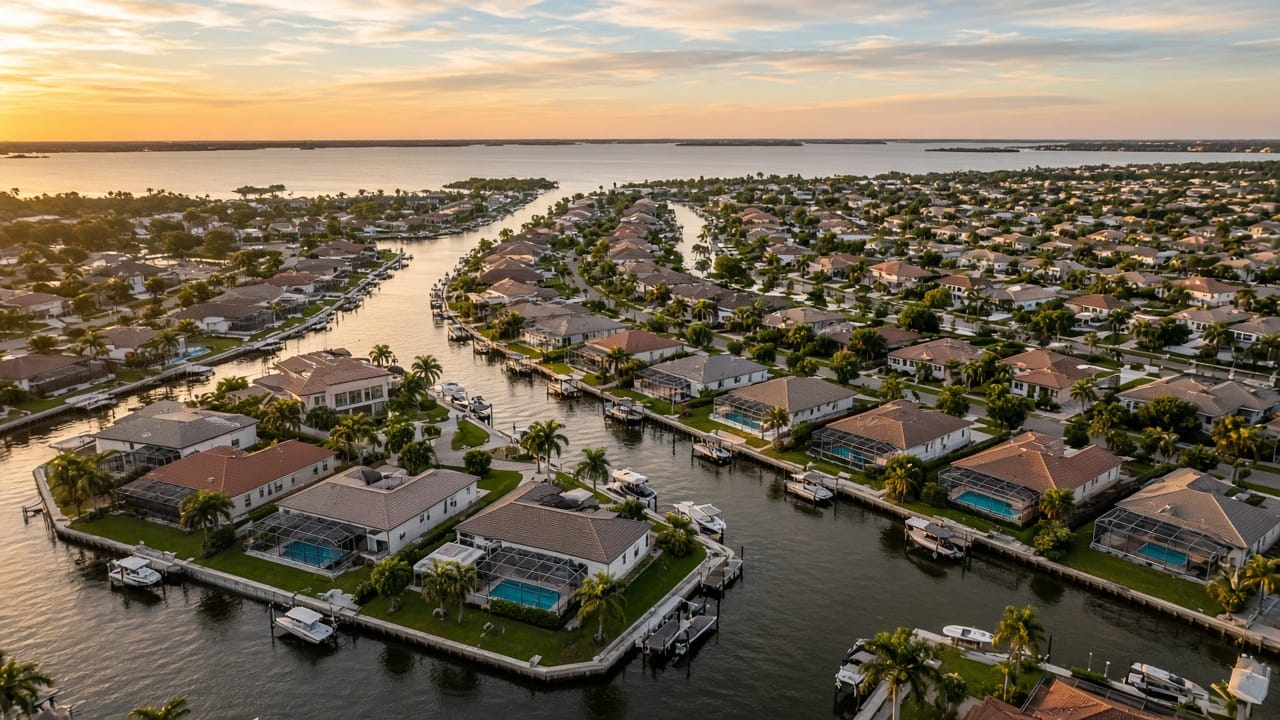
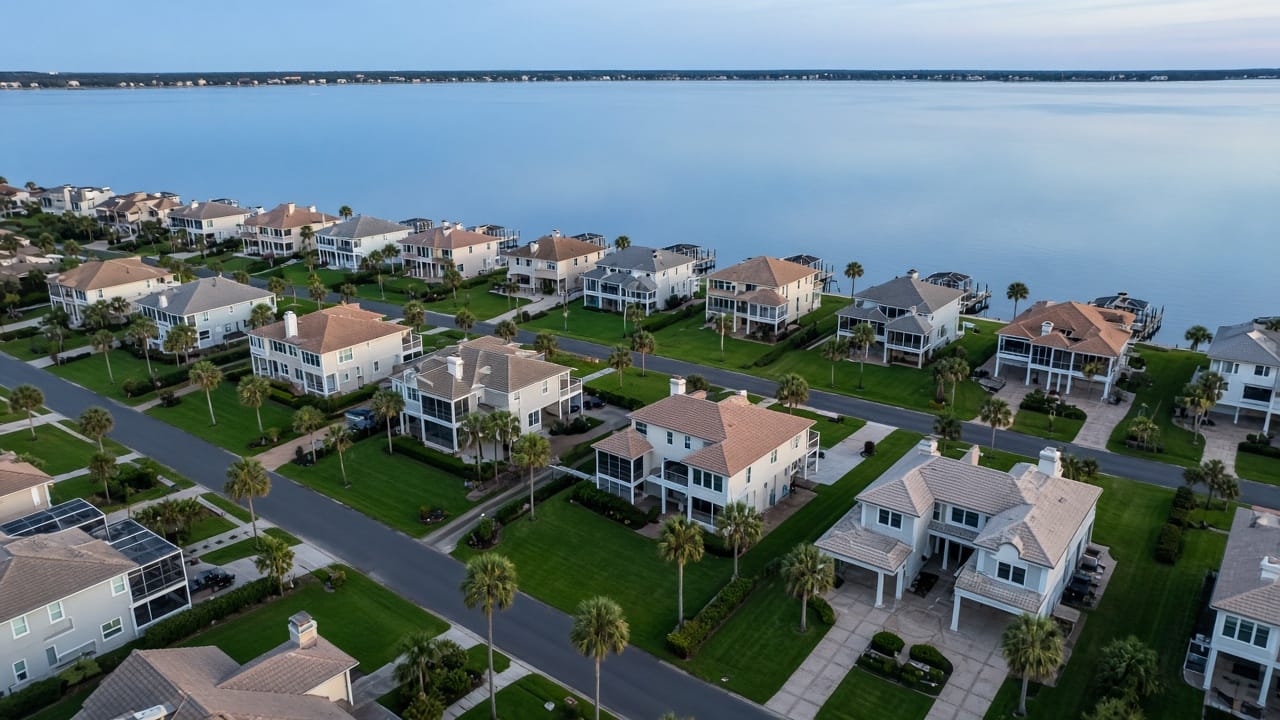
Punta Gorda sits right on Charlotte Harbor. For winter buyers, the choices fall into three main groups.
Condos
A condo is the simplest way to own here part of the year. The association handles the roof, the exterior and usually the grounds. You lock the door, set the AC and fly home. The tradeoff is that you live by the association's rules. That covers pets, renovations and especially rentals. You also share the building's costs through dues and any special assessments.
Villas
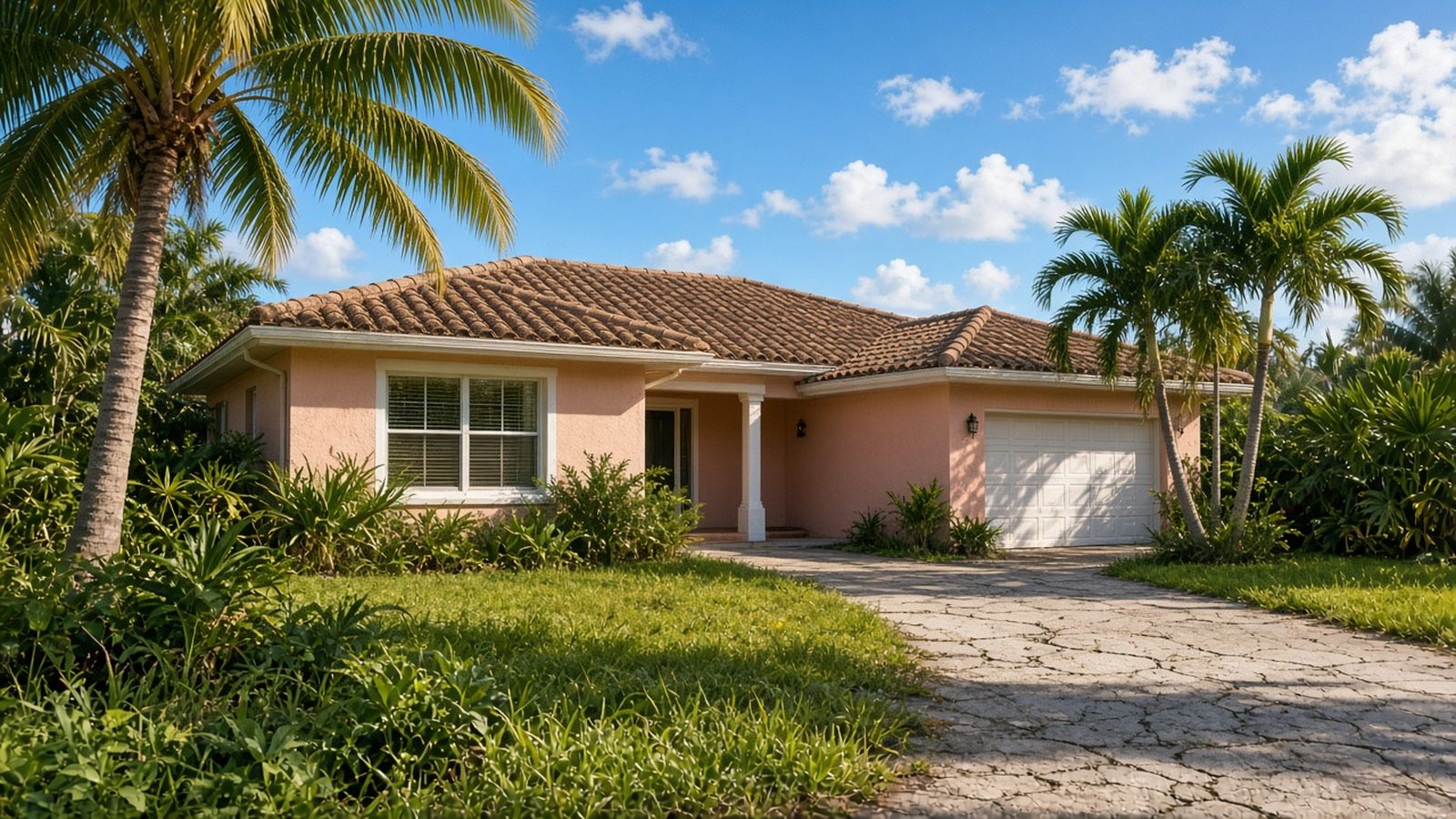
A villa is usually a single-story attached or detached home in an association. Depending on the community, the HOA may cover lawn care and sometimes exterior work. You get more of a house feel than a condo, often with a garage and your own patio, and a lot less upkeep than a standalone home. Read the documents closely, though. What "villa maintenance" includes changes a lot from one association to the next.
Canal Homes
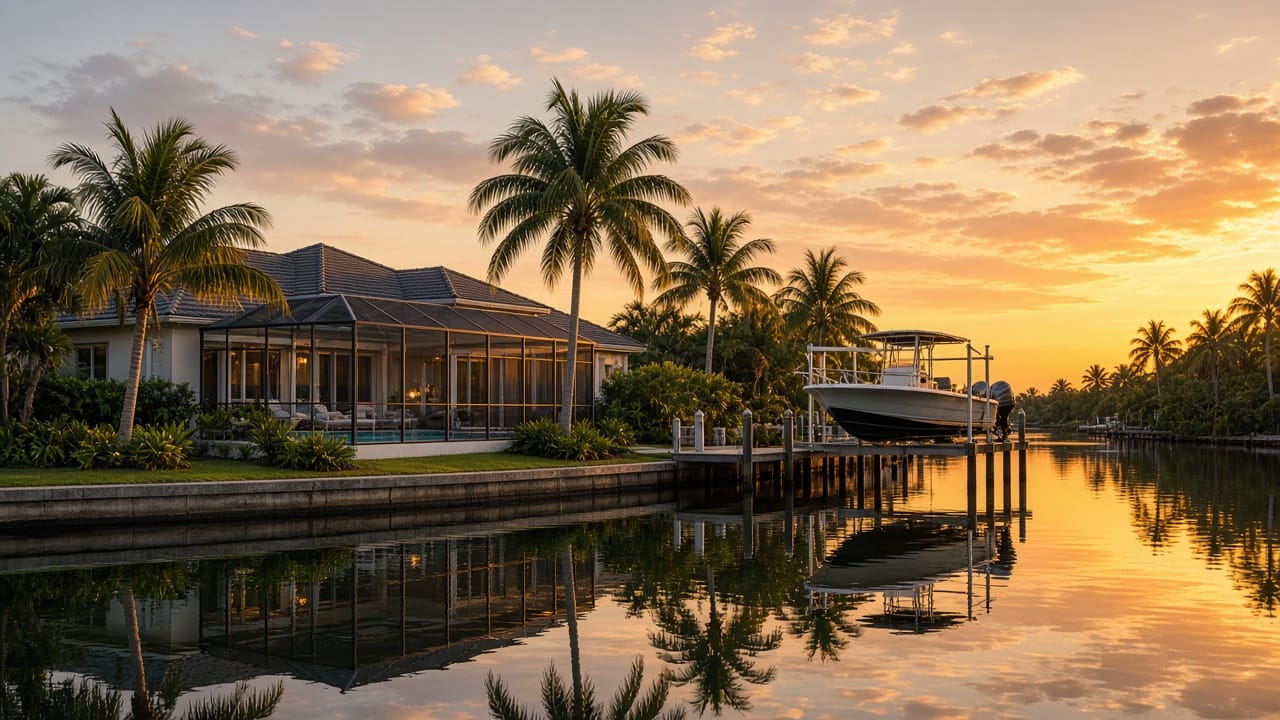
This is what a lot of people coming down from up north picture: a pool, a dock and a boat out back. It's also the most work to own part-time. You're responsible for the seawall, the dock, the lift, the pool, the roof and the yard. While you're 1,000-plus miles away, somebody has to keep an eye on all of it.
As of October 2026, Stellar MLS data shows the Charlotte County waterfront segment at a median list price of $560,000, with 965 active listings and a median of 41 days on market. Countywide, there are 5.6 months of supply. For today's numbers, check my Punta Gorda market data page. It updates as the market moves.
If you're selling a home up north to pay for your winter place, start with a property valuation so you know what you're working with.
Condo vs Villa vs Canal Home for Part-Time Owners
| Factor | Condo | Villa | Canal Home |
|---|---|---|---|
| Exterior and roof upkeep | Association | Varies by HOA | You |
| Easy to lock and leave | Easiest | Easy | Needs a plan |
| Private dock | Rare | Rare | Usually |
| Insurance setup | Master policy plus your own unit policy | Depends on HOA structure | Full policy on the home, plus flood |
| Rental rules | Often the strictest | Set by HOA | Deed restrictions or HOA if any, plus local rules |
| Who watches it while you're gone | Building and neighbors help | HOA helps with grounds | Hire a home watch service |
No single option is best. The right one fits how many months you'll be here and how much you want to manage from a distance.
If Your Winter Home Comes With a Dock
If you buy a canal home in Punta Gorda, the canal decides what boat you can run. When I help people find a winter home here, the boat question comes up before the kitchen question.
- Punta Gorda Isles powerboat section: 13-foot fixed bridges, including the Marion Ave Bridge. Measure your boat's height with the top up, plus any antennas or towers. Then compare it to the bridge.
- Punta Gorda Isles sailboat section: No bridges. Local canal guides list direct canal access on the north side of Marion Ave, the Ponce de Leon inlet for the middle section, and Buckley's Pass for the south section, which includes the bird-named streets. Confirm the route for your boat before you buy.
- Burnt Store Isles: Deed-restricted, not gated, and right next to Punta Gorda Isles. There are no bridges. Boats pass through the cut in the mangroves into Alligator Creek, and that cut limits boats to a 20-foot beam. That's a width limit, not a height limit.
- Burnt Store Marina: A gated community about 12 to 14 miles south of Punta Gorda, with no bridges and direct access to Charlotte Harbor and the Gulf of America. Its golf course is a semi-private 27-hole executive course.
Charlotte Harbor is known for its backwater fishing, and the tarpon fishing at Boca Grande Pass is world-famous. That's why so many winter buyers want a dock. Just remember a dock is a structure that needs looking after. Before you commit, read my canal homes true cost guide. It covers seawalls, lifts and what they cost to keep up.
Buying a Second Home in Florida From Up North
Many of my snowbird buyers find the right place on a winter visit, then finish the deal once they're back home. Buying a second home in Florida remotely is routine now. These steps keep it smooth.
- Live video walkthroughs. I'll open closets and cabinets and point the camera at the ceilings, the water heater, the electrical panel and the AC unit. Photos only show what the listing wants you to see.
- Hire a local inspector. Ask for a full inspection. Ask for four-point and wind mitigation inspections too, since insurers commonly ask for them. Wind mitigation features can affect your premium.
- Ask about storm history. Hurricane Ian came ashore at Cayo Costa on September 28, 2022, then made a second landfall near Punta Gorda. Charlotte County has rebuilt extensively since then. Ask what was repaired, whether permits were pulled and closed, and when the roof was replaced.
- Protect your wire. Before you send money, call the title company at a phone number you looked up yourself. Never trust wiring instructions that come by email alone.
- Plan a mail-away or remote closing. Most title companies here handle out-of-state buyers. Set it up early so the documents aren't rushed.
- Line up help for when you're gone. That means a home watch service, a trusted AC company, and a plan for hurricane shutters or impact glass. My hurricane prep guide has a checklist.
Buying from up north? I'll do the live video walkthrough and pull the association documents for you. See how I work with buyers on my buyer services page.
Insurance and Homestead Rules for Part-Time Owners
This is where snowbirds get surprised the most.
Homestead. The Florida homestead exemption requires that Florida be your permanent residence, with the intent to stay. If your permanent home is up north and you're here for the winter, you usually don't qualify. Without homestead, you don't get the same exemptions or assessment protections a full-time resident gets.
One more point: when a home sells, the assessed value generally resets. The seller's current tax bill is not your future tax bill. That's especially true if the seller had homestead. Ask me to help you estimate taxes for your situation, then confirm with the Charlotte County Property Appraiser.
Insurance. Get quotes before you're under contract, or at least early in your inspection period. Here's what to sort out:
- Wind and flood. Flood coverage is usually a separate policy. Check the flood zone for the exact property.
- Condo coverage. In a condo, the master policy covers the building. Your own unit policy covers your interior and belongings. Read the master policy deductible, because it can come back to owners as an assessment.
- Vacancy terms. Some policies have conditions if the home sits empty for long stretches. Tell your agent plainly that you'll be gone for months.
- Condo reserves. Florida has tightened condo inspection and reserve rules in recent years. Ask for the association's latest inspection reports, reserve information and any planned special assessments.
I'm a real estate broker, not an attorney, tax advisor or insurance agent. Verify homestead, tax and insurance questions with the Charlotte County Property Appraiser, a licensed insurance agent and a qualified tax professional.
Renting It Out the Months You're Away
Plenty of buyers want the place to help pay for itself from spring to fall. The rules come first.
- Association documents and deed restrictions. Many condos and HOAs set minimum lease terms, a cap on leases per year, tenant approval steps or a waiting period after purchase. Some don't allow short-term rentals at all. Deed restrictions in places like Burnt Store Isles and Punta Gorda Isles can also limit what you're allowed to do.
- Local and state requirements. Registration, licensing, and tourist or sales tax rules can apply to short-term rentals. Check with the city, the county and the state before you list.
- Insurance changes. A rented home often needs different coverage than one sitting empty or one you use yourself.
I won't promise rental income on any property. It depends on the rules, the season, the condition of the home and how it's managed. If renting matters to your budget, make your offer contingent on reviewing the association documents. Then ask a local property manager for real figures on that specific property.
Common Mistakes With Snowbird Homes in Punta Gorda Florida
I see these again and again with buyers who are new to owning in Florida:
- Planning around homestead you won't get. Run your numbers as a non-homestead owner unless you're truly moving here.
- Using the seller's tax bill as your estimate. It resets after the sale.
- Skipping the condo documents. Rental limits, pet rules and reserve problems are all written down. Read them during your review period.
- Buying the canal before measuring the boat. Know your boat's height and beam, and match it to the route.
- Leaving insurance until the last week. Quotes can change your budget. Get them early.
- No plan for the empty months. Humidity, AC failures and storms don't wait for you to come back. Hire someone to check on the home.
- Only visiting in season. Winter shows you the place at its busiest. A summer visit shows you the heat, the rain and how the home holds up.
What I Tell Clients
I start with the question nobody asks first: who looks after this place when I'm gone? If the honest answer is nobody, a condo or villa will make you happier than a canal home, even if you really want the dock. If you want the boat out back, budget for a home watch service and a seawall check, and buy on the right canal for your boat.
In a balanced market like this one, there's time to do your homework. Use it. Get the documents, the inspection and the insurance quotes before your option period ends. Browse waterfront homes to see what's out there. If you're still deciding between Punta Gorda and the rest of the county, grab my free Charlotte County relocation guide.
I'm Leo Albanes, local broker since 2002. Call or text me at (941) 337-3391, or reach me here.
Leo Albanes
Broker-Owner, Charlotte County Properties Inc.
Florida Real Estate Broker License #BK3054900
Over 20 years helping buyers, sellers, and investors navigate Charlotte County. Punta Gorda-based. Se habla español.