Charlotte Harbor: Florida's Premier Boating Destination
Charlotte Harbor is Florida's second-largest estuary β a 270-square-mile body of water where the Peace and Myakka rivers meet the Gulf of Mexico. For boaters, it represents something increasingly rare in Florida: accessible, uncrowded, and breathtakingly beautiful waters.
The harbor's shallow flats, mangrove islands, and grass beds create one of the most productive fisheries on the Gulf Coast. Its deepwater channels connect canal communities to the Gulf of Mexico through Boca Grande Pass, one of the most famous fishing passes in the world. And the sunsets? There's a reason the Charlotte Harbor Preserve State Park has been called one of Florida's most scenic waterways.
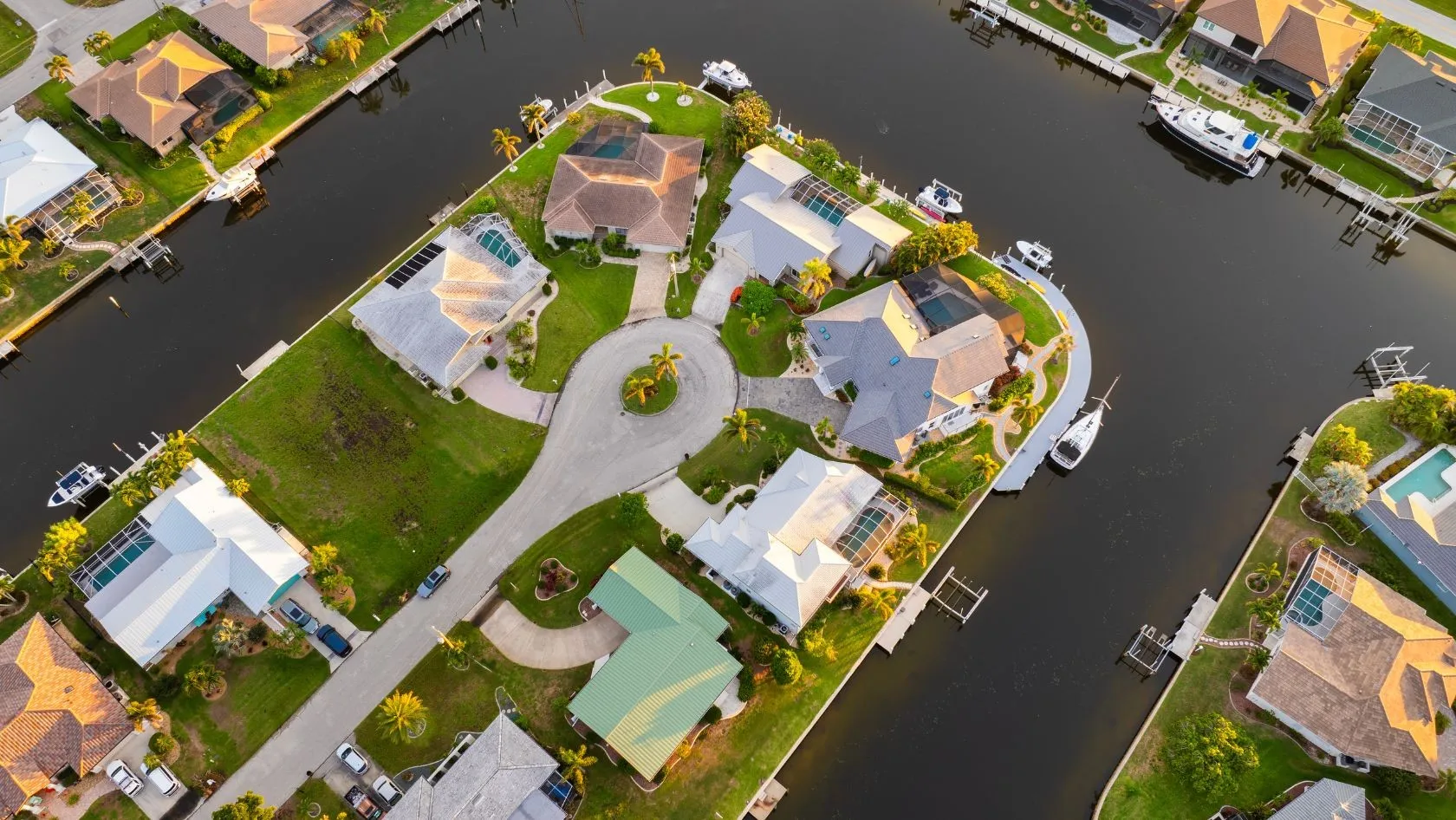
What makes Charlotte County special for boaters isn't just the water β it's the infrastructure. With over 200 miles of residential canals, multiple full-service marinas, abundant boat ramps, and waterfront communities designed around the boating lifestyle, this area was built for people who live on the water.
Understanding the Waterway System
Charlotte County's waterways break down into several distinct systems:
Charlotte Harbor β The main estuary, roughly 12 miles long and 5 miles wide. Depths range from 2β3 feet on the flats to 12+ feet in the Intracoastal Waterway (ICW) channel. The ICW runs north-south through the harbor, connecting to Sarasota Bay to the north and Pine Island Sound to the south.
Peace River β Enters Charlotte Harbor from the northeast. Navigable for several miles upstream with depths of 4β8 feet in the main channel. The river provides access to communities like Charlotte Harbor, Harbour Heights, and the eastern reaches of Punta Gorda.
Myakka River β Enters from the north. More natural and less developed than the Peace River. Limited navigation due to shallow spots and no-motor zones in some stretches. Excellent for kayaking and nature watching.
Residential Canal Systems:
- Punta Gorda Isles β Deepest and best-maintained, 4β12+ feet, Gulf access
- Burnt Store Isles β Deep canals, 3.5β8+ feet, Gulf access
- South Gulf Cove β Variable depth, limited access, developing system
- Port Charlotte canals β Mostly shallow, limited navigation
Boca Grande Pass β The main Gulf outlet between Gasparilla Island and Cayo Costa. Extremely strong currents during tide changes. Home to world-class tarpon fishing MayβJuly. Requires experience and respect β this is not a beginner's inlet.
Bridge Clearances: Know Before You Go
Bridge clearances are the single most important factor for boaters choosing a home in Charlotte County. Your route from dock to open water may pass under one or more fixed bridges, and their clearances at high tide determine the maximum vessel height you can own.
Key Bridge Clearances (at Mean High Water):
- US-41 Bridge (Peace River) β 55 feet (no issue for most vessels)
- I-75 Bridge (Peace River) β 55 feet
- US-41 Bridge (Myakka River) β 18 feet
- Burnt Store Road Bridge β 9 feet (critical restriction for Burnt Store Isles access)
- Melbourne Street Bridge (PGI) β Various, check specific canal route
- Edgewater Drive Bridge β 9 feet
The Burnt Store Road Bridge at 9 feet is the key bottleneck for boaters in the Burnt Store communities. If you keep your boat at a Burnt Store Isles canal home and your vessel exceeds 9 feet above the waterline (including antennas, T-tops, and outriggers), you'll need to route differently or keep the boat at a marina on the harbor side.
Pro tip: Always measure your vessel's actual air draft (height above waterline with everything up) and subtract at least 1 foot for safety margin. Tides, wind, and waves can reduce actual clearance below the published numbers.
I maintain a detailed bridge clearance database for all Charlotte County waterways β ask me for specific route planning when you're considering a waterfront home.
Marinas & Boat Storage
Charlotte County has a strong network of marinas serving everything from kayaks to 60+ foot sportfishing boats:
Full-Service Marinas:
- Burnt Store Marina β 525 slips, dry storage, fuel, ship store, restaurant, and pool. The largest marina in the area.
- Fishermen's Village Marina β Downtown Punta Gorda location, transient and long-term slips, charter boats, and kayak rentals.
- Laishley Municipal Marina β City-owned, right on the harbor in downtown Punta Gorda. Fuel dock and pump-out.
- Palm Island Marina β Near Placida, access to Lemon Bay and the Gulf.
Boat Ramps (Public):
- Ponce de Leon Park β Popular ramp on the south shore of Charlotte Harbor
- El Jobean Fishing Pier & Ramp β Myakka River access
- Ainger Creek Boat Ramp β Port Charlotte, Peace River access
- Placida Boat Ramp β Access to Gasparilla Sound and the Gulf
Dry Storage:
Multiple facilities offer rack storage (fork-lift launch) for boats up to 35 feet. This is a popular option for boaters who don't have a waterfront home or prefer to keep their boat out of the water for maintenance and hurricane reasons. Monthly rates range from $12β$20 per foot.
Dock Your Boat at Home:
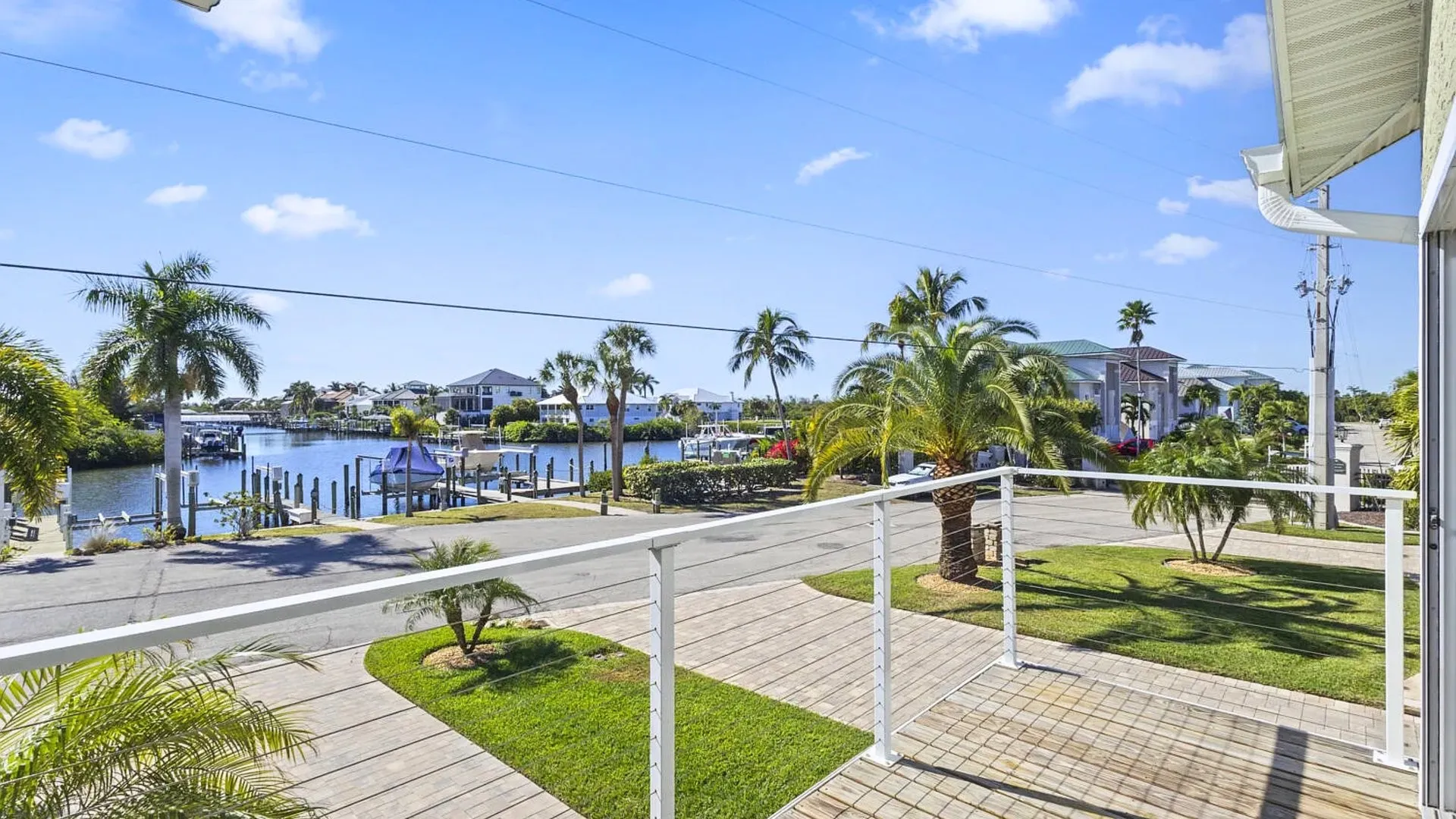
The ultimate Charlotte County boating lifestyle is stepping out your back door onto your own dock. Punta Gorda Isles and Burnt Store Isles are the premier communities for this. A boat lift installation on an existing seawall runs $15,000β$35,000 depending on capacity and type.
Fishing: The Main Event
Let's be honest β for many Charlotte County boaters, the boat is really just a fishing platform. And this is one of the best places in the world to fish.
Inshore (Flats & Backcountry):
- Snook β Charlotte Harbor is snook central. Catch-and-release most of the year, with a limited harvest season. Found around mangrove shorelines, docks, and passes.
- Redfish β Abundant on the grass flats and oyster bars. Slot limit keeps them healthy and available year-round.
- Spotted Seatrout β The most common catch. Found everywhere in the harbor over grass beds.
- Tarpon β The star of the show. May through July, the "Silver King" migrates through Boca Grande Pass in staggering numbers. This is bucket-list fishing.
Offshore (Gulf of Mexico):
- Grouper β Red, gag, and black grouper on the reefs and wrecks 20β60 miles offshore.
- Snapper β Mangrove, lane, and red snapper (when season is open) on nearshore reefs.
- Kingfish & Cobia β Run along the beaches in spring. Exciting sight-fishing opportunities.
- Pelagics β Mahi-mahi, wahoo, and even sailfish for those willing to run 50+ miles out.
Freshwater:
The Peace and Myakka rivers offer excellent largemouth bass fishing. Shell Creek (above the dam) is a hidden gem for bass anglers.
Guides & Charters:
Dozens of USCG-licensed fishing guides operate from Charlotte County. A half-day inshore charter runs $400β$600, while a full-day offshore trip is $800β$1,500. I'm happy to recommend guides based on your target species and experience level.
Cruising Destinations from Charlotte Harbor
Charlotte Harbor's central Gulf Coast location makes it a perfect home port for day trips and extended cruises:
Day Trip Destinations:
- Cabbage Key β Famous for its cheeseburger in paradise (allegedly the inspiration for Jimmy Buffett's song). A quirky old Florida island with a marina restaurant.
- Useppa Island β Private island with a museum and guest dining. Historic and charming.
- Cayo Costa State Park β Pristine barrier island with 9 miles of undeveloped beach. Only accessible by boat. One of Florida's most beautiful beaches.
- Boca Grande β Dock at the marina, bike the island, explore the lighthouse, and enjoy lunch at the Loose Caboose or Temptation.
- Pelican Bay β Anchorage in Pine Island Sound. Crystal-clear water and sandbar for swimming.
Weekend/Extended Cruises:
- Sanibel & Captiva Islands β 2-hour run south through Pine Island Sound
- Fort Myers Beach β Through the ICW, a full day's cruise
- Sarasota β North through the ICW, a beautiful day trip via Venice and Englewood
- Dry Tortugas β For the adventurous, a multi-day offshore run to the most remote national park in the continental US
The Intracoastal Waterway (ICW) runs right through Charlotte Harbor, connecting you to the entire Gulf Coast from the Florida Keys to the Panhandle without ever hitting open ocean.
Living the Boating Lifestyle: What It Really Costs
Owning a boat in Charlotte County is more affordable than most coastal areas, but it's important to budget realistically:
Boat Ownership Costs (Annual, for a typical 25-foot center console):
- Boat insurance: $800β$2,000
- Fuel (recreational use): $2,000β$5,000
- Maintenance & repairs: $1,500β$3,000
- Marina/dry storage (if no home dock): $3,000β$6,000/year
- Registration & inspections: $200β$400
- Bottom paint (if kept in water): $1,500β$2,500 every 1β2 years
Home Dock Costs:
- Boat lift (one-time): $15,000β$35,000
- Seawall maintenance: $500β$1,000/year (reserve $200/linear foot for eventual replacement)
- Dock lighting & electrical: $200β$500/year
- No monthly marina fees β this is the big advantage of a waterfront home
The Math: A waterfront home in PGI might cost $150,000β$300,000 more than a comparable inland home, but you save $3,000β$6,000/year in marina fees, plus you eliminate the hassle of trailering or commuting to your boat. Over 10 years, a significant portion of the waterfront premium pays for itself.
Many of my clients tell me that buying a waterfront home was the single best quality-of-life decision they've made. When you can be on the water in 5 minutes instead of an hour, you actually use the boat β and that's what it's all about.
Frequently Asked Questions
What size boat can I keep at a home dock in Charlotte County?
Most residential canals in Punta Gorda Isles and Burnt Store can accommodate boats up to 35-40 feet on a lift or alongside a dock. Larger vessels (40+ feet) may require specific canal widths and dock configurations. Always check canal width and depth for your specific property.
Do I need a boating license in Florida?
Florida does not require a boating "license," but anyone born on or after January 1, 1988 must complete a NASBLA-approved boating safety course and carry a Boating Safety Education ID Card. There is no age-based license requirement for those born before 1988.
What is the best fishing in Charlotte County?
Charlotte Harbor is renowned for inshore fishing β especially snook, redfish, spotted seatrout, and tarpon. Boca Grande Pass is world-famous for tarpon fishing (May-July). Offshore, the Gulf reefs produce excellent grouper and snapper fishing year-round.
How far is it from Charlotte Harbor to the Gulf of Mexico?
From Punta Gorda Isles, it is approximately 12-15 nautical miles to Boca Grande Pass (the main Gulf outlet), which takes about 30-45 minutes in a typical powerboat. From Burnt Store, add another 10-15 minutes. Once through the pass, you are in open Gulf waters.
Have Questions About Charlotte County?
I've helped hundreds of families find their perfect home here. Let's talk about what you're looking for.