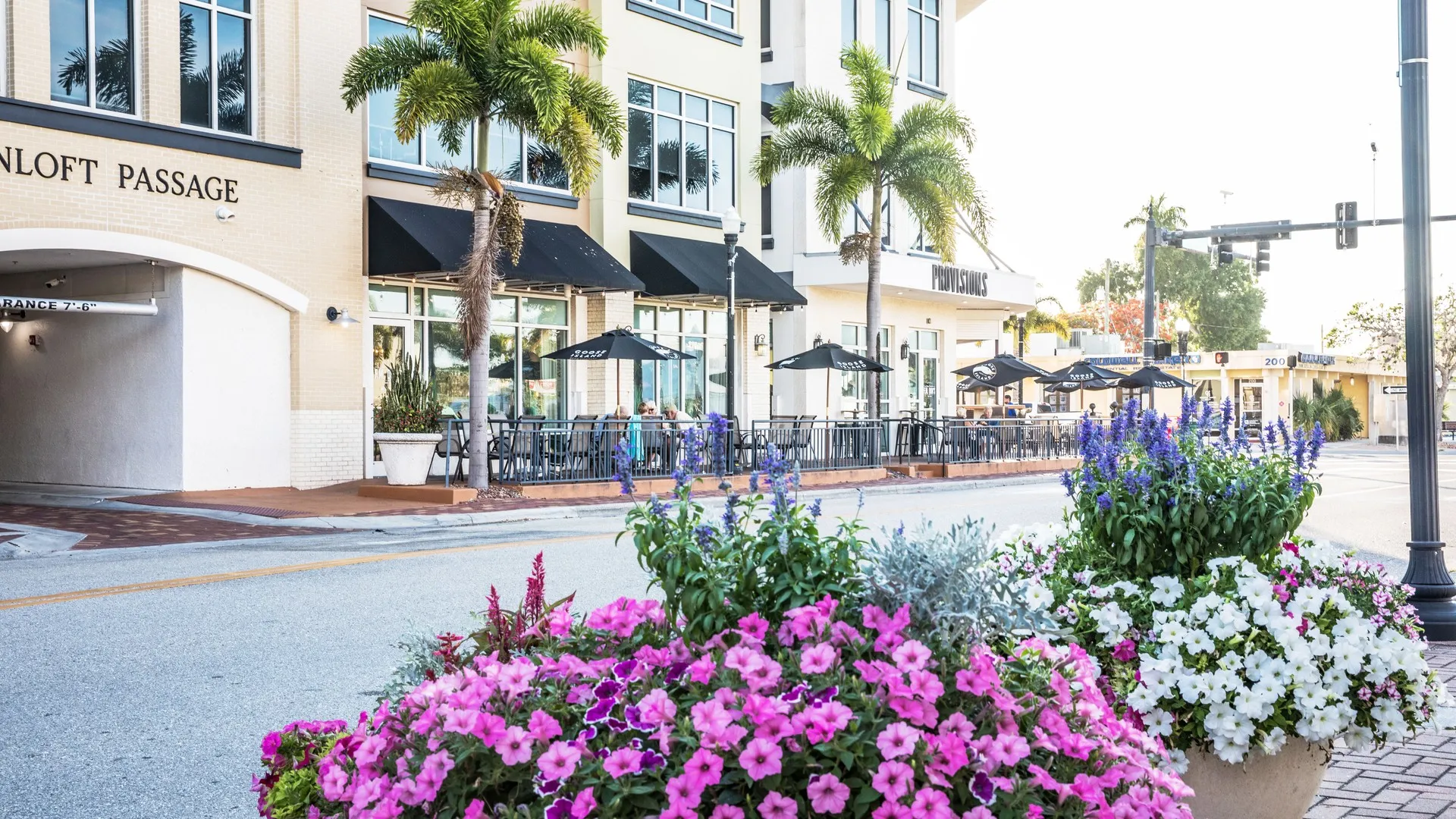
Waterfront Home Due Diligence Checklist

Everything you need to know before buying waterfront property in Charlotte County, Florida.

Download Printable Checklist

Buying waterfront property in Charlotte County is different from buying a standard home. This checklist covers the critical items that can save you tens of thousands of dollars and prevent costly surprises after closing.

Water Access & Navigation

Not all waterfront is created equal. Understanding your water access determines what size boat you can use, how quickly you can reach the Gulf, and ultimately affects resale value.

  • Water body type: Canal, River, Harbor, Direct Gulf Access, or Sailboat Water
  • Bridge restrictions: Check height of nearest bridge (e.g., Burnt Store Isles has no bridges but a 20-foot beam limit at the mangrove cut into Alligator Creek; Burnt Store Marina has direct, unrestricted Harbor and Gulf access)
  • Lock system: Franklin Lock can affect access times significantly
  • Tidal considerations: Low tide depth at dock matters for navigation
  • Direct Gulf access time: How long does it take to reach open water?
  • Boat lift: Is one present? What is the capacity?
  • Seawall: Present, or riprap? Condition?

Flood Zone & Insurance

Flood insurance costs can vary from a few hundred to several thousand dollars annually. Understanding your flood zone before purchase is essential for budgeting.

  • FEMA Flood Zone: Request the official flood zone designation (AE, VE, or X)
  • Elevation Certificate: Request from seller—this determines insurance costs
  • Base Flood Elevation (BFE): Compare to home elevation
  • Current flood insurance premium: Ask seller for recent policy
  • Prior flood claims: Request CLUE report for claim history
  • CRS discount: Charlotte County participates in Community Rating System

Seawall & Dock Inspection

Critical: Seawall replacement costs $400-$1,200 per linear foot. A typical replacement runs $20,000-$60,000+. Always get a professional inspection.

  • Seawall type: Concrete, vinyl, or steel (each has different lifespans)
  • Seawall age: When was it installed? Last inspected?
  • Visible damage: Cap cracks, tie-back visibility, erosion behind wall
  • Dock condition: Piling material and condition, operational boat lift
  • Permits: Are dock permits on file with Charlotte County?

Environmental & Regulatory

Waterfront properties have additional regulations that can limit what you can do with your property.

  • Mangroves: Trimming requires permits—never remove without approval
  • Protected shoreline: May limit modifications
  • Manatee zones: Affects boat speed and dock use
  • Wetlands: Check for wetlands on or adjacent to property
  • HOA restrictions: Many HOAs limit dock/boat size

8 Questions to Ask the Seller

  1. When was the seawall last inspected or repaired? (Get documentation)
  2. Have there been any sinkhole, foundation, or seawall movement issues?
  3. What is the history of storm damage to the dock/seawall?
  4. Are all dock and seawall permits available and up to date?
  5. What is the typical water depth at low tide?
  6. Are there any pending special assessments for canal dredging or seawall repairs?
  7. What size boat can safely navigate from this location?
  8. Has the property ever flooded? (Check disclosure and CLUE report)

Recommended Inspections

Seawall Inspection

By marine contractor: $200-$500

Dock/Pilings Inspection

Check structural integrity: Included or $200+

Wind Mitigation Report

For insurance savings: $75-$150

Four-Point Inspection

Roof, HVAC, Electric, Plumbing: $75-$150

Ready to Tour Waterfront Homes?

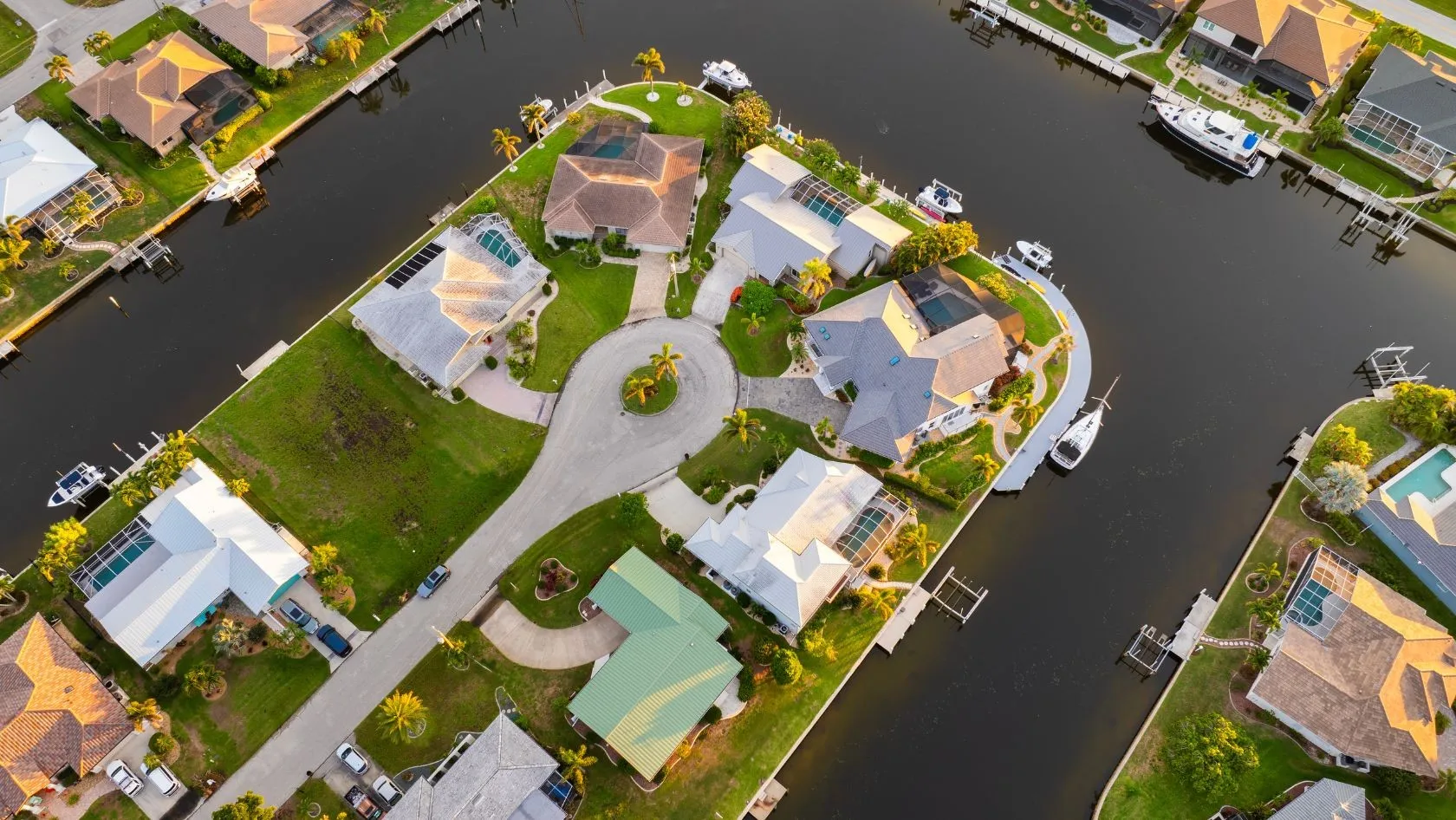
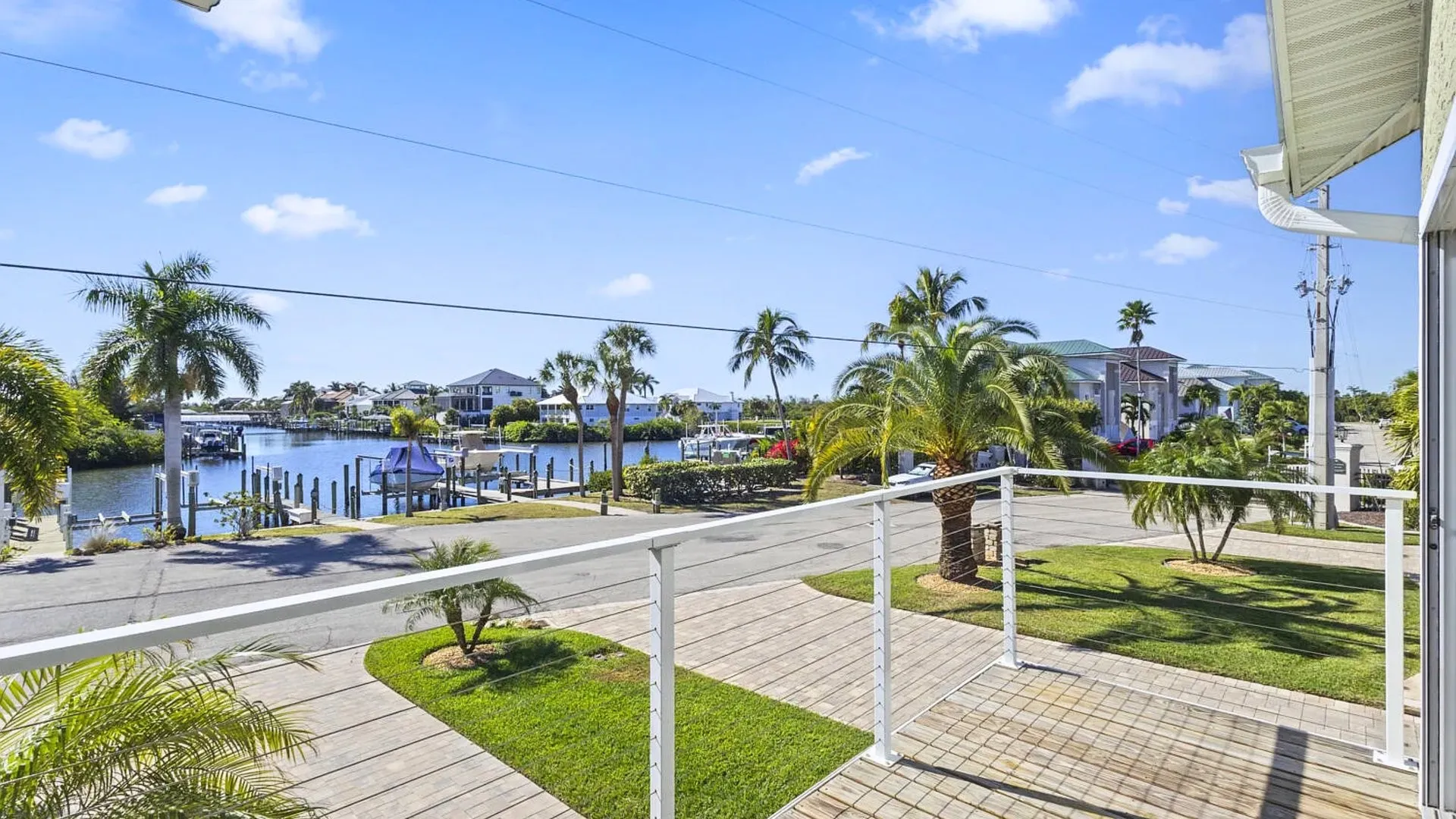
Leo specializes in waterfront properties throughout Charlotte County. Schedule a tour to see available homes with Gulf access.
Frequently Asked Questions

What is the most important thing to check when buying waterfront property?

The seawall condition is typically the most critical (and expensive) item. A failing seawall can cost $20,000-$60,000+ to replace. Always hire a marine contractor for a professional inspection before purchasing.

Do I need flood insurance for a waterfront home in Charlotte County?

If your property is in a FEMA flood zone (AE or VE) and you have a mortgage, flood insurance is required. Even if not required, it's highly recommended for waterfront properties. Premiums vary widely based on elevation and zone.

What is "sailboat water" vs "power boat water"?

Sailboat water means you have deep enough water and no bridge restrictions to navigate a sailboat to open water. Power boat water has bridge clearance limitations. This significantly affects property value and what vessels you can use.

How do I verify Gulf access from a canal home?

Check bridge heights along your route (Burnt Store Isles has no bridges but a 20-foot beam limit at the mangrove cut into Alligator Creek; Burnt Store Marina has direct, unrestricted Harbor and Gulf access), lock system schedules (Franklin Lock), and water depth at low tide. Leo can provide guidance on specific properties and their access characteristics.

Get the Complete Waterfront Checklist

Download the printable PDF version and get personalized advice on waterfront properties in Charlotte County.

  • Expert local insights
  • Personalized guidance
  • No obligation consultation

Send Me the Checklist

Enter your information to get started.

🔒 Your information is secure and never shared.

Common Questions About Punta Gorda Isles Real Estate

Is Punta Gorda Isles a good place to buy a waterfront home right now?

Yes — if you want sailboat-capable canals and a thinner, premium inventory pocket inside Punta Gorda. Live PGI median list price, active listings, days on market, months of supply, market condition, and YoY changes are Updating… from the daily CommunityStatsCache (Stellar MLS — same cache as the hub cards). That snapshot is PGI-specific — not ZIP 33950 and not the county-wide blend. Source: https://charlottecountyproperties.com/api/community-stats-cached?slug=punta-gorda-isles.

Can you keep a sailboat behind a house in Punta Gorda Isles?

In the sailboat sections, yes — PGI is one of Charlotte County's primary no-fixed-bridge canal products. The live community page maps 10 sailboat subdivisions (often north of West Marion) with no fixed bridges to Charlotte Harbor / Gulf-oriented routes, versus 8 powerboat sections under roughly ~13 ft bridge clearances (Bass Inlet ~13′8″, Tarpon ~13′6″, Sailfish ~13′0″ at mean high tide). Canal depths are commonly described around 8–15 ft, but air draft, draft, tide, dock permits, and the exact route must match your vessel and address. Source: https://charlottecountyproperties.com/communities/punta-gorda-isles (boating & subdivision tables).

Is Punta Gorda Isles the same thing as ZIP code 33950?

No. Punta Gorda Isles is one neighborhood. ZIP 33950 is the larger mail code that includes PGI plus other parts of Punta Gorda. Think of it like this: Punta Gorda Isles (PGI) is a specific canal community with its own sailboat vs powerboat sections, docks, golf/yacht-club lifestyle, and its own market snapshot on this site. ZIP 33950 is a postal area that can include PGI and places that are not PGI — for example the Historic District and other Punta Gorda housing that does not share PGI's canal map. So a “33950 median price” is a blend. It is useful for the wider Punta Gorda ZIP, but it is not a PGI-only CMA. When you want Isles comps, use the PGI community page and live PGI snapshot; use /market-statistics/33950 only when you mean the whole ZIP. Source: /communities/punta-gorda-isles, /communities/historic-district-punta-gorda, /market-statistics/33950.

What makes Punta Gorda Isles different from South Gulf Cove?

PGI is the established Punta Gorda “sailboat + golf + yacht club” product; South Gulf Cove is the Cape Haze peninsula's large-platted canal alternative. PGI leans city-adjacent deed-restricted canals, St. Andrews / Isles Yacht Club context, and section-by-section bridge rules. SGC leans 120+ canals / ~55 miles, a county lock (~20′×60′), broader lot inventory, and often a different price-of-entry story. Both sell Gulf-oriented boating — depths, bridges, seawalls, and HOA/civic rules are still address-specific. Source: /communities/punta-gorda-isles and /communities/south-gulf-cove.

What should you budget beyond the list price in Punta Gorda Isles?

Plan for Florida waterfront ownership costs, not just the sticker. Typical extras: wind and flood insurance, seawall/dock/lift condition, roof and pool age, taxes/utilities, and civic or deed-restriction obligations (site quick facts often cite roughly $200–$400/year, varying by section). Canal width, bridge route, and dock permits can move value more than square footage. Pull permits, surveys, association/civic docs, and insurance quotes before trusting a listing's “sailboat” or “Gulf access” label. Source: /communities/punta-gorda-isles; parcel documents control.

Who is Punta Gorda Isles best for?

Boaters, golfers, and buyers who want an established canal neighborhood close to downtown Punta Gorda — not a lock-and-leave condo product or a brand-new peninsula build-out. It's a weaker fit if you need Historic District porch-and-walkability as the primary lifestyle, the simplest low-maintenance footprint, or a wider mid-market canal lot inventory (compare South Gulf Cove). Test bridge clearances and insurance quotes early. Source: /communities/punta-gorda-isles; local broker guidance for fit.